More on out of gauge from Jagelo Haulage
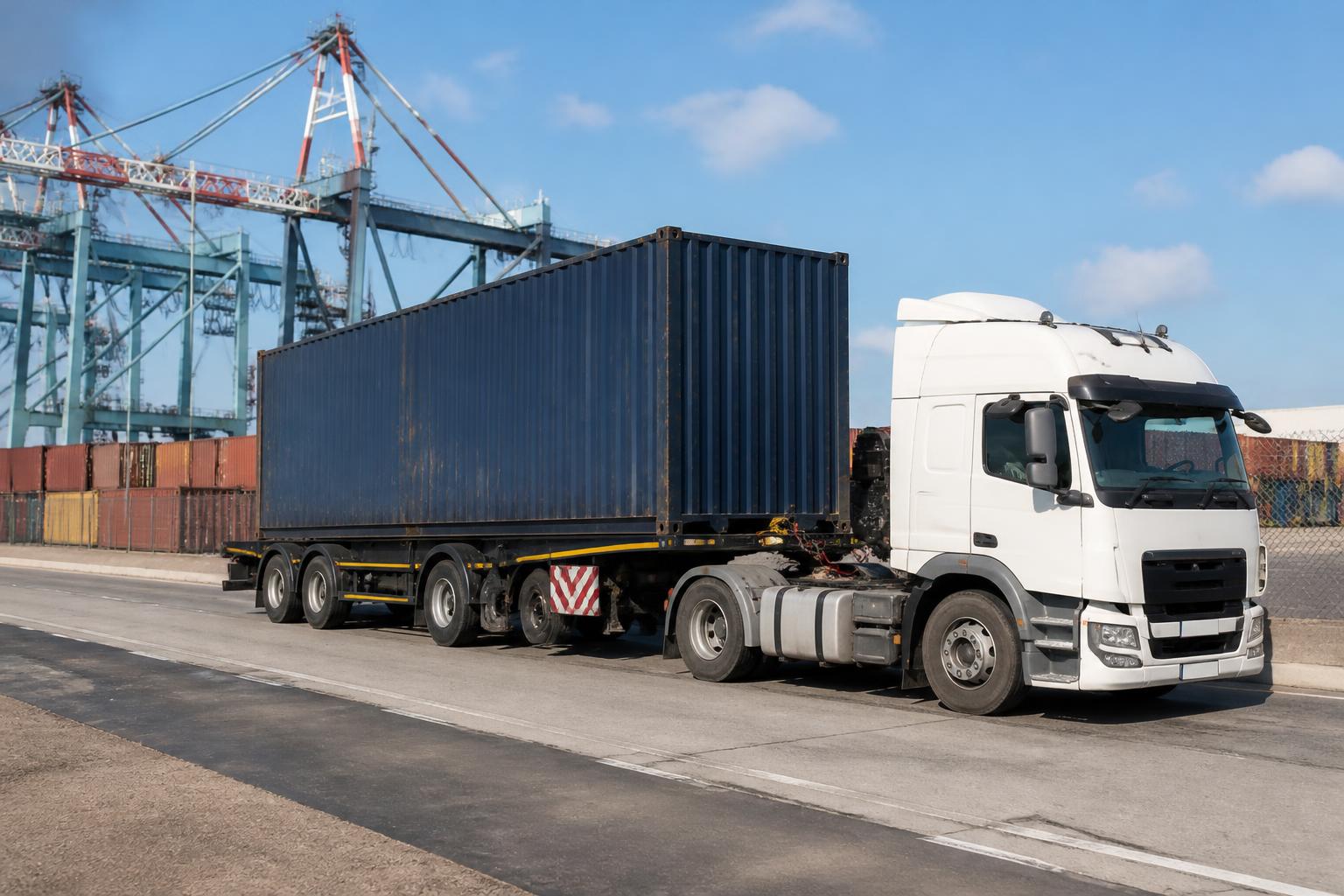
If you want UK out of gauge container haulage without delays, the main decision is not just which haulier has capacity. It is whether the move has been planned as an abnormal container movement from the start, with the right dimensions, weight, trailer, route, port handling and delivery access checked before the box is even booked out. Most delays happen because a shipment is treated like a standard FCL collection until the day of transport, when somebody notices the over-height, over-width, over-length or lifting problem too late.
At Jagelo Haulage Limited, we handle container collections from Felixstowe, London Gateway, Tilbury, Purfleet, Southampton and Liverpool every day, mostly as merchant haulage booked directly by importers and forwarders. For out of gauge work, the same rule applies at every port. Early, accurate information saves time. Late surprises create storage, demurrage, waiting time, failed delivery charges and missed vessel or site windows.
What counts as out of gauge in UK container haulage?
In practical UK container haulage terms, out of gauge cargo is cargo loaded to a container or specialist unit in a way that exceeds normal external transport limits for a standard road move, or needs non-standard handling because it cannot travel like an ordinary sealed box.
With standard port work, a 20ft ISO Container, 40ft ISO Container or 45ft ISO Container is moved on a suitable skeletal trailer within routine road limits, subject to normal gross weight rules, booking slots and delivery access. The load is inside the container envelope. The haulier books the slot, collects, and delivers as a standard FCL movement.
Out of gauge work is different. The cargo may project above the top of an open top unit, beyond the side of a flat rack, beyond the end frame, or create a loaded height and width that cannot be moved on a normal route without checks. In some cases the issue is not projection but weight distribution, centre of gravity, lashing requirements, inability to travel under a curtain or roof, or the need for lifting from the side or above at delivery.
In container terms, the most common out of gauge examples are:
- machinery loaded on a flat rack with side overhang
- plant or steelwork loaded over-height in an open top
- long cargo extending beyond end frames
- heavy units that are within gauge physically but need a specific trailer and axle setup
- cargo requiring a crane, forklift with enough capacity, or other discharge arrangement that is not in place on arrival
That is the key difference from a standard FCL move. A normal box move is mainly about release, customs status, slot booking and road timing. An out of gauge move adds engineering and access questions. It is not enough to know the container number and delivery postcode.
Where people sometimes get caught out is assuming that if cargo is accepted by the shipping line, it will be straightforward on the road. It often is not. Port acceptance and sea stowage do not remove the need for UK road compliance. The road move still has to fit the route, the trailer, the delivery site and any permit or escort requirements that apply.
How do standard container haulage and out of gauge moves differ?
The biggest difference is planning depth. A standard container job can often be assessed from the booking, release, VGM position, gross weight, port, delivery point and preferred day. An out of gauge move usually needs dimensions of the cargo itself, dimensions of the loaded unit, gross weight, weight split if known, photos or loading plan, lifting points, discharge method and a realistic access assessment at the receiving site.
Equipment is the next difference. Standard ISO containers usually run on ordinary skels, with the right trailer length and slider position for the unit. Out of gauge cargo may need a different trailer setup, a lower deck height, a trailer suited to the unit type, or a specialist subcontracted vehicle if the dimensions push beyond what can be done under a normal container setup. If the cargo is on a flat rack or open top, the securing and support points matter as much as the overall size.
Route checks are also more involved. For standard work, route planning is mostly about efficient timing, avoiding obvious restrictions, and matching the port slot with driver hours and delivery windows. For out of gauge work, route planning becomes a compliance exercise. Bridge heights, weak structures, width pinch points, tight roundabouts, roadworks, diversions and urban access all matter. A route that works for a standard 40ft ISO Container can fail completely for an over-height or over-width unit.
Permits and notifications may also differ. In the UK, abnormal indivisible loads and certain abnormal width or length movements can trigger notice requirements to police, highway authorities or structures authorities, depending on the dimensions and movement type. That is a UK operational point, not just a general EU assumption. A move that is lawful in one country under one process does not automatically travel under the same process here. For many containerised out of gauge moves, the issue is route suitability rather than a formal escort, but that has to be checked, not assumed.
Port handling is another difference. Standard boxes are generally straightforward to stack, ground, release and lift once customs and line status are clear. Out of gauge units may have handling constraints, special stack positions, lift planning issues, weather sensitivity if open, or more limited collection windows depending on the terminal and unit type. A missed slot on a standard import is annoying. A missed slot on a difficult out of gauge unit can be much more expensive if rebooking options are limited. We have covered related slot pressure at Tilbury and the effect of slot booking on collection risk.
Delivery constraints are usually the final point of failure. Standard container haulage can often deliver to a warehouse, yard or depot with ordinary HGV access and a forklift if devanning is planned. Out of gauge deliveries need a much more exact answer. Is there a crane booked? Is the crane rated for the lift? Can it reach from the standing position available? Is the ground suitable? Is there enough room to present the trailer straight? Can the cargo be discharged from the side, rear or above? If the site says “we unload containers all the time”, that may still tell us nothing useful for a flat rack with side projection.
Which haulage setup suits different out of gauge jobs?
The right setup depends on who controls the booking, who understands the cargo best, and where the delivery risk sits.
For many importers and forwarders, direct merchant haulage is the cleanest arrangement. We take the job directly, book the port slot, monitor release and customs position, and plan the movement against free time. That works well when the customer has the shipping line details, the cargo dimensions and the delivery site information, but wants one haulier to own the road leg properly. It is often the best model where timing matters and somebody needs to say early if the box is at risk.
Port-to-site delivery suits jobs where the cargo should move straight out of the terminal to the final discharge point with no intermediate stop. That is common for machinery, project cargo and site-critical deliveries where storage or transhipment adds unnecessary handling risk. The benefit is fewer touches. The downside is that everything has to be ready at both ends. If the unit is customs held, not released, or the site is not actually ready to unload, the whole plan slips.
A staged move can suit some jobs better, especially where final site access is uncertain or the discharge arrangement is not fixed. In those cases, it can be better to move the unit to a suitable interim location first, provided the cargo type, line terms and handling arrangements allow it. That is not always possible, and it needs to be decided case by case.
Subcontracted capacity has a place too, especially where the dimensions or equipment need go beyond a standard container fleet. We run 40 vehicles and 40 trailers of our own on operator licence OF2023521, and where extra volume or specialist requirements call for it, we use vetted partner hauliers on their own operator licences. The important point is not whether a move is subcontracted. It is whether the party managing it understands container port systems and abnormal road constraints together. A specialist road operator without container port experience can struggle with release, terminal process and free time. A standard container haulier can struggle if the physical movement needs specialist route and equipment planning.
Cargo profile should drive the setup. A heavy but in-gauge machine in a standard box is still mostly a normal FCL job, provided the gross weight and site unloading are manageable. A flat rack with side overhang is not. An open top with over-height plant may need direct delivery and a crane booking that cannot slip. A Refrigerated Container is a different category again, because power, temperature integrity and monitoring become part of the plan, as we explain in our guide to moving a reefer from Felixstowe without avoidable port cost.
Where do delays and extra costs usually arise?
The most common problem is late or incomplete information. If we receive the booking as though it were a standard container move and only later learn that the cargo is over-height, on a flat rack, or needs a crane on arrival, we lose planning time immediately. That can mean the earliest viable slot is missed, or that the first delivery date was never realistic.
Free time is the next pressure point. Shipping line free time for import storage and equipment use does not pause because the road move is awkward. If the unit cannot be collected in time, demurrage and detention exposure follows. The same applies if release is not in place, customs are not cleared, or a hold is discovered after the transport has been pencilled in. This is why we plan collections against free time and say early when a box is at risk.
Port booking systems can also create delay. Depending on terminal and port, available slots may not match the ideal collection window, especially when the job needs a specific vehicle or driver timing. At some ports, that issue is routine enough that it needs planning from the first call, not after the release lands. The same applies across the wider UK container network, as we set out in how UK container haulage avoids port cost and delay.
Access failures are a major cause of avoidable cost. Typical examples are low trees, parked cars blocking approach, gates too narrow, insufficient turning room, soft ground, crane not on site, forklift too small, or no safe place to stand the vehicle for unloading. On standard work, a difficult site may still be manageable. On out of gauge work, a small access mistake can make delivery impossible.
Waiting time grows quickly on these jobs. If port collection is delayed by release status or slot slippage, driver hours tighten. If delivery then overruns because lifting gear is late or the site has not prepared, the vehicle can lose the rest of the day. That affects not just cost but whether the move can lawfully continue under drivers’ hours and working time rules.
Failed deliveries are the most expensive version of the same problem. Once a difficult unit has left the port, returning it or holding it because the site cannot take it creates immediate operational and commercial pressure. Storage, redelivery, extra lifts and additional handling all become more likely.
Documentation gaps also cause trouble. Wrong container number, wrong booking line, unclear release chain, no customs clearance confirmation, or mismatch between what the terminal shows and what the customer expects can all stop a collection. For LCL cargo this often sits elsewhere in the chain, but for FCL and special equipment moves it usually lands directly on the haulage plan.
What should you check before booking an out of gauge move?
Before booking out of gauge container haulage in the UK, we recommend checking the following points in order.
First, confirm exactly what is moving. We need the container or unit type, whether it is a standard box, open top, flat rack or another specialist unit, and whether the cargo projects beyond the unit envelope. Give the loaded length, width, height and gross weight, not just the cargo dimensions if they differ in transport position.
Second, confirm the actual weights. Gross weight alone is not always enough. If the cargo is heavy or unevenly loaded, tell us the approximate weight distribution and centre of gravity if known. That helps us assess trailer suitability and road legality.
Third, confirm release status and customs position. Is the unit released by the shipping line? Is customs cleared, or is there a hold, exam or inland presentation requirement? A transport booking without release and customs clarity is only provisional, however urgent the cargo is.
Fourth, confirm the port and booking process. Each terminal has its own operating pattern. We collect from Felixstowe, London Gateway, Tilbury, Purfleet, Southampton and Liverpool, and the practical booking method and slot pressure vary between them. At Felixstowe, for example, CARGOES VBS is part of normal planning. Elsewhere the relevant process may be the Container Booking System or CBS used by the terminal or operator in question.
Fifth, check free time properly. Do not rely on a rough understanding of when storage starts. Confirm the last free day for the relevant line and unit, and whether any special equipment terms apply. Out of gauge cargo is less forgiving of assumptions.
Sixth, check delivery site access in practical terms. We need the full postcode, site contact, opening hours, any booking reference, and a plain description of approach roads, gate width, internal turning room and unloading area. Photos and a pin drop often help more than a written note saying “good access”.
Seventh, confirm unloading method. Will the cargo stay on the unit? Is the container to be devanned? Is a crane, reach stacker or heavy forklift required? Who provides it? At what time is it booked? What is the lifting capacity at the working radius? If the site cannot answer those questions clearly, the delivery is not ready.
Eighth, check whether any special cargo status applies. Some shipments involve waste controls, feed registration or other regulated categories. We are an upper tier waste carrier and dealer, CBDU471791, and registered with APHA to carry Category 3 animal by-products, animal feed in shipping containers, quay to premises, U1433815/TRANS. Those points matter when the cargo type brings extra compliance requirements alongside the physical move.
Ninth, confirm liability expectations. Our standard freight liability is £6,500 per tonne under RHA 2024 conditions, with the same limit on subcontracted loads, and up to £10,000 per tonne available by arrangement for high value freight. If the cargo value needs a higher limit, that should be agreed before the move, not after a problem.
Finally, send the documents that let us plan the job properly. In most cases that means the container number, release reference, port, shipping line, collection PIN or equivalent where applicable, commercial paperwork if needed for customs status checking, dimensions, weight, cargo photos and site contact details. If the shipment has unusual handling requirements, say so in the first message.
Out of gauge container haulage in the UK runs smoothly when it is treated as a planned operation, not a standard box move with a few extra notes. That is how we approach it. We collect from the major container ports, book the slot, work against free time, and flag risk early when a unit is likely to miss the plan. For importers, forwarders and customs agents, that is usually what prevents delay in the first place.
Is out of gauge container haulage the same as abnormal load haulage?
No. Some out of gauge cargo can move within a container haulage setup, while other loads need different trailers, permits or a separate abnormal load plan. The dimensions, weight and packing method decide the route.
Can out of gauge cargo move from Felixstowe on normal container terms?
Sometimes, but not always. The key points are how the cargo is packed, whether the unit can be handled at the port, and whether road movement stays within legal limits. For Felixstowe collections, booking is through the Container Booking System.
What information should I send for a quote?
Send the container or unit type, full cargo dimensions, gross weight, collection port, delivery postcode, target date, release status and any site restrictions. Photos and packing drawings help if the load projects beyond the container frame.
Does the lowest haulage rate usually mean the lowest total cost?
No. A lower linehaul rate can become more expensive if the move needs extra handling, permit work, rebooking, storage, waiting time or a failed delivery. Total cost matters more than the first quote.
Should I ask about freight liability on out of gauge work?
Yes. Check the haulier's freight liability limit, whether the same limit applies to subcontracted loads, and whether a higher limit is available by arrangement if the cargo value justifies it.