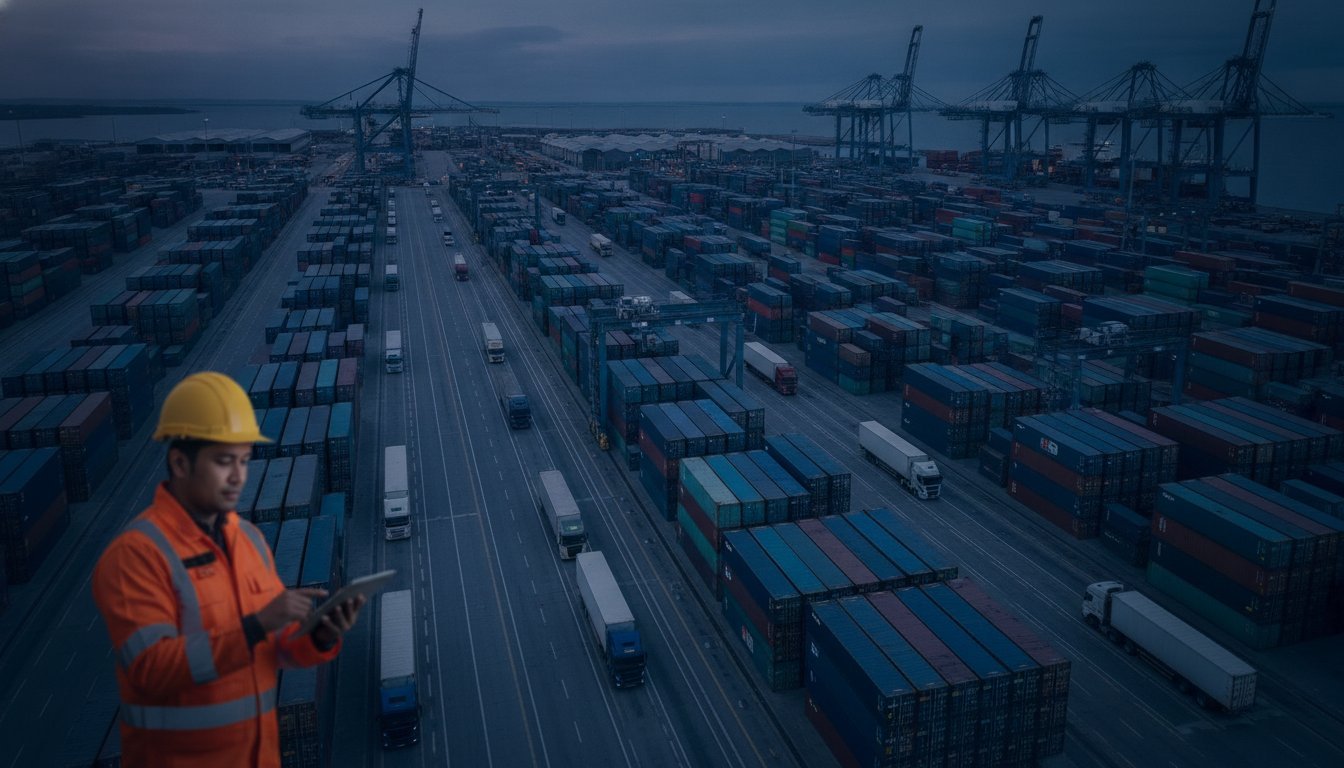
By 2026, the success of your distribution network will depend less on global trade patterns and more on the disciplined management of local fleet agility. You likely recognise that unpredictable port congestion and shifting driver availability now dictate the pace of your daily operations. These persistent challenges in UK container logistics require a shift from reactive troubleshooting to a structured, strategic outlook. Rising fuel costs and evolving environmental regulations add further pressure to an already lean sector, making it harder to maintain the stability your clients expect.
We understand that your primary objective is to maintain supply chain continuity whilst keeping a firm grip on overheads. This article provides a comprehensive analysis of the operational and regulatory hurdles currently facing the sector. You'll learn how to mitigate the impact of rising costs and discover why a professionally managed haulage partner, backed by 15 years of industry experience, is essential for reducing demurrage and detention fees. We examine the specific economic factors at play and provide a clear roadmap for securing reliable inland container haulage in an increasingly complex market.
Key Takeaways
- Understand how global maritime volatility impacts domestic road haulage and the broader challenges in UK container logistics.
- Identify the primary causes of port bottlenecks and learn strategies for managing VBS slot availability to maintain delivery schedules.
- Assess the operational impact of UK Clean Air Zones and prepare for the 2035 transition to zero-emission heavy goods vehicles.
- Evaluate the 2026 HGV driver shortage and its implications for long-term capacity in the container transport sector.
- Learn how leveraging a professionally managed fleet of over 40 vehicles provides the stability required to mitigate operational risks.
The Evolving Landscape of UK Container Logistics in 2026
The sector is undergoing a fundamental shift towards resilient supply chains. Operational managers no longer prioritise cost in isolation; they now focus on the ability to withstand sudden shocks. This change is a direct response to the persistent challenges in UK container logistics that have disrupted traditional workflows. Global maritime volatility continues to dictate domestic road haulage schedules. When a vessel is delayed at a major hub like Felixstowe or Southampton, the resulting surge in demand for inland container haulage creates immediate capacity pressure. UK container logistics in 2026 is a balance between technological integration and physical infrastructure constraints.
To manage this balance, many businesses have abandoned the "just-in-time" model. They've replaced it with "just-in-case" inventory strategies. By maintaining higher stock levels, companies can buffer against the unpredictability of port arrivals and haulage availability. This shift ensures that a single delayed container doesn't halt an entire production line or leave retail shelves empty. It's a pragmatic approach that prioritises security over absolute lean efficiency.
Macro-Economic Pressures on Transport Rates
Economic factors remain a primary driver of transport costs across the country. Inflation and fuel price volatility directly influence nationwide container haulage pricing. Hauliers must manage these fluctuating overheads whilst maintaining competitive rates for their clients. Currency fluctuations also play a significant role. As the value of the pound shifts, the cost of imported goods and the associated logistics services can change rapidly. Rising port fees often trickle down to the final delivery costs. This requires importers to maintain a transparent and predictable relationship with their transport providers to avoid unexpected budget variances.
Digitalisation and the Demand for Real-Time Visibility
The industry is moving away from manual booking processes. Modern operations now rely on integrated port logistics management systems to streamline container collection. Cargo owners increasingly prioritise data-driven haulage partners who can provide real-time updates on their consignments. This digitalisation is a strategic necessity rather than a luxury. Port-centric software allows for better management of Vehicle Booking System (VBS) slots, which improves container collection efficiency. These digital tools are essential for navigating the complex challenges in UK container logistics, as they provide the visibility needed to manage tight delivery windows and reduce the risk of expensive demurrage charges.
Managing Port Congestion and Infrastructure Bottlenecks
Port congestion remains one of the most persistent challenges in UK container logistics. Major hubs like Felixstowe, Southampton, and London Gateway often face structural bottlenecks that ripple through the entire supply chain. These delays aren't just caused by vessel schedules. They stem from a combination of limited quay space, labour availability, and the increasing size of container ships which place immense pressure on land-side operations. When terminals reach capacity, the efficiency of the entire network drops, leading to significant delivery lag.
The Vehicle Booking System (VBS) is designed to regulate traffic flow, but during peak periods, obtaining a slot becomes a significant hurdle. When slots are unavailable, containers sit idle at the terminal. This isn't just an administrative inconvenience. It directly leads to increased demurrage and detention charges for your business. Companies often find themselves paying for terminal storage simply because they couldn't secure a collection window. Managing these costs requires a disciplined approach to slot booking and a haulage partner that understands terminal-specific rhythms.
The Complexity of Container Collection from Port
Collecting a container involves more than just a truck and a driver. It requires precise administrative coordination to navigate customs clearance, container release codes, and terminal protocols. If any document is incorrect, the vehicle is turned away, incurring wasted costs. Utilising specialised port logistics services UK ensures that these administrative hurdles are managed by experts before the truck arrives at the gate. This proactive management is the most effective way to avoid terminal delays and maintain your schedule.
Merchant Haulage vs Shipping Line Haulage in Crisis
When ports are congested, the choice between merchant haulage vs shipping line haulage becomes critical. Shipping lines often prioritise their own operational convenience, which can leave your cargo at the bottom of the list during a disruption. Merchant haulage provides you with direct control over your priority containers. This flexibility allows you to bypass shipping line bottlenecks and react to shifting customer demands in real-time. Taking control of your inland transport often proves more cost-effective when you factor in the reduction of storage fees.
Reliable container haulage requires a partner with a deep understanding of terminal operations and the agility to respond to VBS changes. A professionally managed fleet can adapt to port closures without compromising your delivery window. If you need to stabilise your port-to-door movements, you can request a haulage quote to secure dedicated capacity for your next consignment.
Environmental Regulations and the Decarbonisation Mandate
Environmental compliance has transitioned from a corporate social responsibility goal to a strict operational requirement. UK Clean Air Zones (CAZ) and London’s Low Emission Zone (LEZ) impose immediate financial and logistical constraints on transport providers. Vehicles that do not meet the required emission standards face significant daily charges, which directly impact the cost of inland container haulage. These local regulations are precursors to the national mandate to phase out new non-zero emission HGVs by 2035 and 2040. Adapting to these shifts is now one of the primary challenges in UK container logistics, as it requires substantial capital investment in new vehicle technologies.
The transition to alternative fuels and electric HGVs carries significant cost implications for the sector. Whilst the technology for smaller commercial vehicles is well-established, the infrastructure for heavy-duty container transport is still maturing. Hauliers must evaluate the range, payload capacity, and charging requirements of zero-emission vehicles against the rigorous demands of port-to-door deliveries. Sustainable logistics is no longer optional but a core requirement for UK tenders. Companies that fail to demonstrate a clear decarbonisation strategy risk exclusion from major supply chain contracts.
Fleet Modernisation as a Competitive Necessity
Maintaining a modern container transport fleet is the most effective way to ensure immediate compliance with current standards. Euro VI engines are the industry benchmark for 2026, providing the necessary balance between performance and reduced nitrogen oxide output. Beyond engine technology, the use of advanced telematics allows for precise monitoring of driver behaviour and fuel consumption. Aerodynamic modifications to trailers also contribute to lower carbon footprints by reducing drag during high-speed transit. These technical improvements ensure that haulage operations remains efficient whilst meeting the stringent expectations of modern cargo owners.
The Rise of Green Logistics in the Supply Chain
Logistics managers are now required to report on Scope 3 emissions, which includes the carbon output of their transport partners. This transparency forces a closer examination of how goods move from port to warehouse. Some operations are exploring rail-road hybrid models for long-distance inland container haulage to reduce total emissions. However, the flexibility of road haulage remains essential for navigating the challenges in UK container logistics, particularly when port schedules shift unexpectedly. The industry's task is to balance these environmental objectives with the ongoing need to provide competitive container haulage rates and reliable service levels.
Labour Shortages and Operational Efficiency in Road Haulage
The availability of qualified HGV drivers remains a fundamental constraint on the UK's distribution capacity. By 2026, the industry continues to face a structural deficit of personnel, which complicates the movement of goods from major ports. This shortage is one of the primary challenges in UK container logistics. It forces cargo owners to compete for limited haulage slots. The impact of an ageing workforce is particularly acute; as seasoned professionals retire, the sector loses decades of operational expertise. Replacing this talent requires a disciplined approach to recruitment and a focus on long-term career stability.
Operational efficiency is the most effective countermeasure to labour constraints. Professional management ensures that every driver's hour is utilised effectively. By implementing scheduled container deliveries, hauliers can optimise fleet usage and ensure compliance with strict driving hours regulations. This structured approach reduces the risk of fatigue-related delays and enhances the overall reliability of the supply chain. When drivers operate within a well-organised system, they're more likely to maintain the high standards of safety and punctuality that corporate clients require.
Strategies for Driver Retention and Recruitment
Retaining skilled drivers depends on providing a professional and secure working environment. Modern equipment is a vital component of this strategy. Drivers are more likely to remain with a firm that invests in a well-maintained, high-specification fleet. Jagelo Haulage prioritises fleet quality to ensure reliable service and driver satisfaction. Secure working conditions and ongoing training also play a significant role in maintaining a secure container transport operation. By treating drivers as essential strategic assets, hauliers can build a stable workforce that is resilient to broader industry volatility.
Optimising Inland Container Deliveries
Efficiency in road haulage is often measured by the reduction of "empty miles." Intelligent backloading and route planning ensure that trucks are utilised on both the outbound and return legs of a journey. This maximises the capacity of the existing driver pool. Responsive customer support is also necessary for managing the complexities of same-day container delivery. When port schedules change, the haulage partner must react immediately to reallocate resources. Understanding the logistics for shipping containers is essential for any business looking to streamline its inland transport and reduce wasted mileage.
Securing consistent haulage capacity requires a partner that manages its workforce with the same discipline as its fleet. If you're looking to stabilise your distribution network and overcome current labour hurdles, request a quote for container haulage to secure your 2026 capacity.
Strategic Partnership: Mitigating Risk with Jagelo Haulage
Jagelo Haulage addresses the challenges in UK container logistics through a combination of operational experience and physical capacity. With over 15 years of industry expertise, we understand that reliability is a strategic outcome of disciplined management. Our modern fleet of more than 40 trucks provides the consistent capacity required to manage merchant haulage requirements from major UK ports. This scale allows us to absorb the volatility of port schedules whilst maintaining the punctuality our clients require for their inland container haulage. We position our services as a stabilising force for your supply chain.
Professional management is the foundation of secure port-to-door logistics. We don't view haulage as a simple physical task. Instead, we frame it as a strategic component of your broader supply chain. Our team follows strict protocols to ensure the safety and efficiency of every movement. This disciplined approach minimises the risk of operational errors that lead to delays or additional terminal fees. By choosing a seasoned partner, you secure a protected outcome for your cargo. We understand the high stakes involved in the movement of goods and prioritise the security of your consignments above all else.
Our Approach to Port Logistics and Haulage
We prioritise proactive communication to resolve issues before they escalate at major hubs like Felixstowe and Southampton. Our operational team understands the nuances of terminal-specific rhythms and VBS slot management. Our fleet is maintained to the highest standards to ensure compliance with environmental mandates and to provide functional reliability. Whether you require shipping line haulage or merchant haulage, we apply the same level of dedication to security and efficiency. Our operational reach allows us to serve as a dependable partner for operators nationwide, providing a consistent service that mirrors the professionalism of your own brand.
Getting Started with a Reliable Haulage Partner
Transitioning your container logistics to a professionally managed provider starts with a thorough assessment of your current requirements. We provide clarity on operational workflows to ensure a seamless integration with your existing team. This structured onboarding process identifies potential bottlenecks before they impact your delivery schedule. Understanding container transport costs is a vital part of your 2026 budget planning. Transparent pricing and predictable service levels allow you to manage your logistics spend with confidence. We focus on providing long-term stability rather than short-term convenience.
Securing Your Distribution Network for 2026
The coming year will test the resilience of every UK supply chain. You've seen how port congestion and the decarbonisation mandate are reshaping operational requirements. Success depends on moving from reactive scheduling to a disciplined, long-term strategy. Successfully addressing the challenges in UK container logistics requires a partner that maintains a modern fleet and prioritises driver welfare to ensure consistent capacity. By leveraging merchant haulage and professional port logistics expertise, you can reduce terminal fees and maintain supply chain continuity despite market volatility.
Jagelo Haulage provides 15+ years of port logistics expertise and a modern fleet of over 40 trucks. We offer reliable nationwide coverage from all major UK ports, ensuring your cargo moves with precision and security. Secure your 2026 container haulage capacity with Jagelo Haulage and build a more stable distribution network. We look forward to supporting your operational goals and providing the functional reliability your business requires.
Frequently Asked Questions
What are the main causes of delays in UK container logistics right now?
Delays are primarily caused by structural port bottlenecks, vessel bunching, and limited Vehicle Booking System (VBS) slot availability. These factors create land-side congestion that slows container collection and disrupts inland delivery schedules. Administrative hurdles, such as delayed customs clearances and incorrect container release codes, also contribute to wasted vehicle movements and terminal lag.
How does port congestion affect container haulage rates?
Port congestion increases haulage rates by reducing vehicle turnaround times and increasing operational overheads. When trucks are held in terminal queues, the cost per movement rises to compensate for lost productivity and increased fuel consumption. Hauliers must adjust their pricing to account for these inefficiencies and the difficulty of securing predictable collection windows during peak periods.
What is the difference between merchant haulage and shipping line haulage during a crisis?
Merchant haulage offers greater flexibility and direct control over your transport schedule compared to shipping line haulage. During an operational crisis, merchant haulage allows you to prioritise specific containers based on your own commercial needs. Shipping line haulage often relies on allocated carriers who may face their own capacity constraints, leaving you with less influence over delivery timing.
Is there still an HGV driver shortage in the UK in 2026?
The UK continues to face a structural HGV driver shortage in 2026 driven by an ageing workforce and the high cost of entry for new professionals. This shortage remains one of the most persistent challenges in UK container logistics, affecting overall market capacity. Hauliers who prioritise driver welfare and modern equipment are better positioned to maintain stable service levels for their clients.
How can I reduce my demurrage and detention costs at UK ports?
You can reduce demurrage and detention costs by securing VBS slots early and ensuring all customs documentation is cleared before the vessel berths. Partnering with a professionally managed haulage firm ensures that containers are collected within the terminal's free time period. Proactive communication between the cargo owner and the haulier is essential for avoiding expensive storage fees.
What environmental regulations affect UK container transport fleets?
Current regulations include the expansion of Clean Air Zones (CAZ) across major cities and the 2035 mandate to phase out new non-zero emission HGVs. Transport fleets must utilise Euro VI engines as a minimum standard to avoid daily entry charges in restricted areas. These regulations force a shift toward fleet modernisation and the eventual adoption of alternative fuel technologies.
How does Jagelo Haulage ensure secure container transport across the UK?
Jagelo Haulage ensures secure transport through 15 years of port logistics expertise and a disciplined operational framework. Our modern fleet of over 40 trucks is maintained to strict standards and monitored via telematics to maintain the integrity of every consignment. We follow rigorous protocols to protect your cargo from the point of collection to final delivery.
Can I book same-day container delivery for urgent cargo?
Same-day delivery depends on terminal release status and the availability of VBS slots at the specific port. Whilst we prioritise urgent consignments, the ongoing challenges in UK container logistics make advance booking the most reliable way to secure capacity. We recommend contacting our operational team as early as possible to coordinate urgent movements and navigate potential terminal delays.