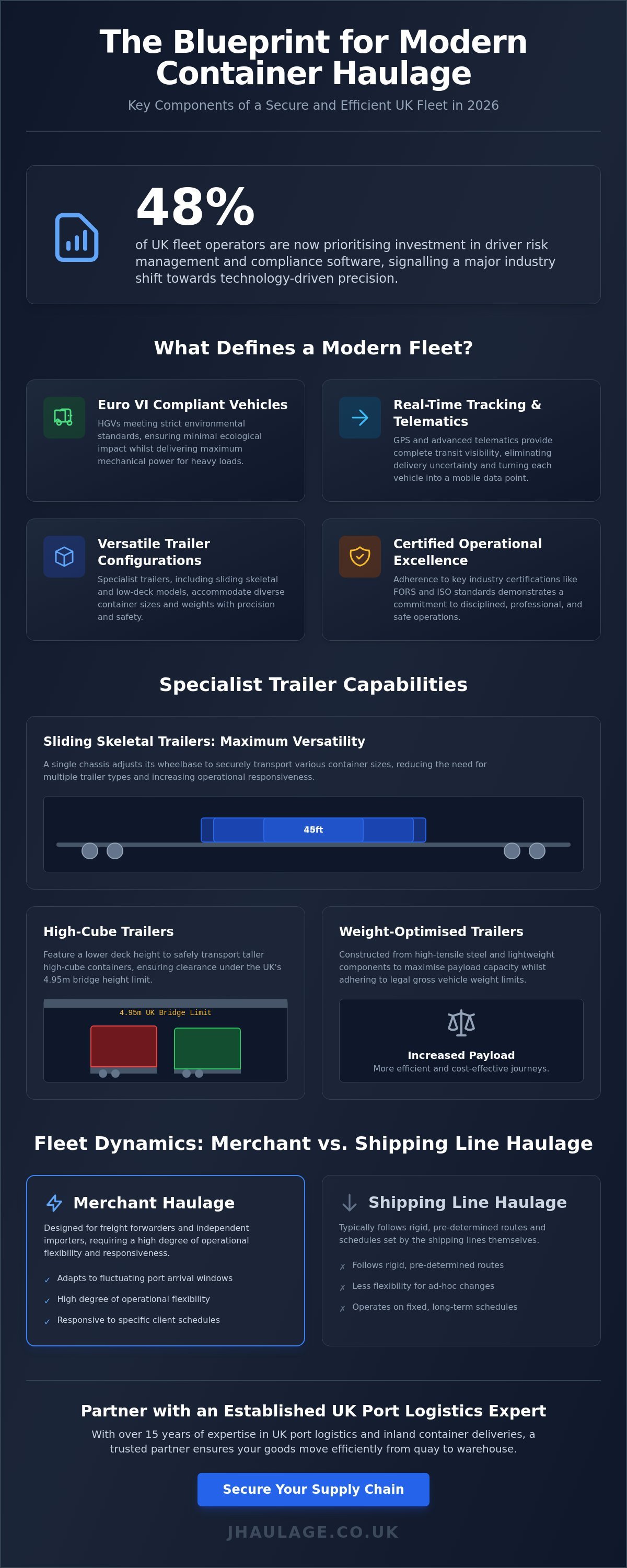
Did you know that 48 per cent of UK fleet operators are currently prioritising investments in driver risk management and compliance software? This shift reflects a growing realisation that successful logistics is no longer just about the number of vehicles on the road. You likely recognise that unreliable delivery windows and the risk of cargo damage from ageing equipment can disrupt your entire supply chain. It's frustrating when a lack of transit visibility leaves you unable to provide accurate updates to your own stakeholders.
A modern container transport fleet must be more than a collection of heavy goods vehicles; it must be a disciplined operational tool designed for security and precision. This guide explores how advanced fleet technology, specialised trailer capabilities, and rigorous safety standards ensure the secure movement of goods across UK ports. You'll discover a practical framework for evaluating haulage partners and gain a clear understanding of the modern safety protocols that protect your cargo in an increasingly complex logistical landscape.
Key Takeaways
- Understand how a modern container transport fleet integrates Euro VI compliant vehicles with specialised trailer configurations to ensure both environmental and operational efficiency.
- Learn how real-time GPS tracking and advanced telematics provide the visibility required to eliminate delivery uncertainty and protect cargo during transit.
- Identify the specific industry certifications, including FORS and ISO standards, that distinguish a disciplined and professionally managed haulage partner.
- Discover the technical capabilities of sliding skeletal trailers for the secure movement of diverse container sizes across the UK supply chain.
- Evaluate the strategic benefits of partnering with an established provider possessing over 15 years of expertise in UK port logistics and inland container deliveries.
What Defines a Modern Container Transport Fleet in 2026?
A modern container transport fleet is a disciplined, synchronised system. It consists of Euro VI compliant HGVs paired with specialised trailers. These vehicles must provide the mechanical power necessary for heavy container haulage whilst meeting strict environmental standards. Reliability depends on a rigorous maintenance schedule and a low average vehicle age. This approach ensures that every delivery is executed with precision and minimal risk of mechanical failure. By July 2026, many of these vehicles will also be equipped with Smart Tachograph Version 2 technology to meet new international transport standards, reflecting a broader industry commitment to compliance and safety.
Operational excellence requires a balance between mechanical strength and digital oversight. A 2026 report indicates that 48 per cent of UK fleets now prioritise system integration and compliance software. This investment allows a provider to maintain a steady flow of goods even when port conditions are volatile. Every vehicle in the fleet serves as a mobile data point, providing the transparency that modern supply chains demand. When you evaluate a haulage partner, you aren't just looking at trucks; you're assessing their ability to provide a protected, predictable outcome for your cargo.
The Shift from Volume to Precision
The total number of trucks is a secondary metric compared to the quality of fleet management. A well-organised fleet focuses on reducing "empty miles" that unnecessarily increase operational costs. Within the broader framework of intermodal freight transport, the transport manager acts as a central coordinator. They synchronise port collections with inland deliveries to maintain a steady flow of goods. This level of organisation transforms a simple haulage service into a strategic asset. It's about ensuring the right equipment is at the right terminal at exactly the right time. Precision prevents the bottlenecks that lead to expensive waiting charges at UK ports.
Merchant vs Shipping Line Fleet Dynamics
Merchant haulage requires a higher degree of operational flexibility than traditional shipping line models. A versatile container transport fleet must adapt to the specific schedules of freight forwarders and independent importers. Whilst shipping line haulage often follows rigid, pre-determined routes, merchant haulage demands responsiveness to fluctuating port arrival windows. Partnering with a logistics expert like Jagelo Haulage provides access to a fleet designed for these varied demands. Their expertise in managing inland container haulage ensures that your goods move efficiently from the quay to the warehouse. Understanding both models allows a provider to navigate port congestion and ensure that delivery windows are met with consistent reliability.
Specialist Equipment and Trailer Configurations
A modern container transport fleet relies on high-specification hardware to maintain operational flow. Standard skeletal trailers remain the backbone of port-to-door logistics. They provide a lightweight yet rigid frame specifically engineered to secure containers during transit. However, versatility is often the priority for merchant haulage. Sliding skeletal trailers allow a single chassis to carry 20ft, 40ft, and 45ft containers by adjusting the wheelbase. This flexibility reduces the need for multiple trailer types and ensures the fleet remains responsive to varied cargo requirements.
High-cube containers have become an industry standard for voluminous goods. To accommodate their increased height whilst remaining under the UK's 4.95-metre bridge height limit, specialist high-cube trailers are utilised. These feature a lower deck height to maintain safe clearance. Additionally, weight-optimised equipment is essential for maximising payload capacity. By using high-tensile steel and lightweight components, these trailers allow for heavier cargo weights whilst staying within legal gross vehicle weight limits. This precision ensures that every journey is as efficient and cost-effective as possible.
Handling Heavy and Non-Standard Loads
Transporting dense or oversized cargo requires more than just mechanical strength. The technical requirements for heavy container haulage involve precise axle load distribution to prevent road damage and ensure vehicle stability. Specialist driver training is as vital as the physical trailer. Drivers must understand how high centres of gravity affect cornering and braking distances. Modern trailers often include electronic stability programmes (ESP) that assist in maintaining control of high-sided containers during adverse weather or sudden manoeuvres. If you require a logistics partner with this level of technical capability, you can request a tailored haulage quote to see how these assets support your specific supply chain needs.
The Importance of Trailer Maintenance
Reliability is built on a foundation of proactive care. Weekly safety inspections, known as Preventative Maintenance Inspections (PMIs), are a non-negotiable standard for a professional container transport fleet. These checks ensure that high-quality braking systems and tyre treads meet the rigorous demands of long-distance hauling. Adhering to UK container safety regulations is a legal necessity that also serves a commercial purpose. Well-maintained equipment prevents costly roadside breakdowns and avoids the port delays that can trigger significant waiting charges. It's a disciplined approach that guarantees transit security and operational consistency for every client, regardless of the cargo type.
Ensuring Secure Container Transport through Technology
Technology serves as a fundamental layer of protection within a modern container transport fleet. It isn't merely about operational speed; it's about maintaining a secure chain of custody from the port terminal to the final destination. Real-time GPS tracking provides total visibility, allowing transport managers to monitor every vehicle's position with precision. This visibility is essential for mitigating risks associated with cargo theft and unauthorised stops. Performance is monitored constantly.
Beyond tracking, integrated communication systems allow for an immediate response to traffic delays or port congestion. This connectivity ensures that drivers aren't left idling in high-risk areas. Physical security remains equally vital. The use of high-security seals and hardened locking mechanisms provides a mechanical deterrent against tampering. These measures align with the UK Freight Container Safety Regulations, which establish the legal framework for maintaining the structural integrity and security of containers during transit.
The Role of Telematics in Transit Security
Telematics systems provide a detailed analysis of driver behaviour, monitoring metrics such as harsh braking and cornering. This data-driven approach is a key component in protecting sensitive shipping container transport. Smooth driving styles don't just protect the cargo from internal shifting; they also improve fuel efficiency and reduce wear on vehicle components. By utilising this data, haulage providers can offer clients accurate ETAs and verifiable proof of delivery, creating a transparent and accountable service model.
Protecting High-Value Cargo
High-value goods require specific protocols, particularly during mandatory overnight stops. A disciplined container transport fleet uses technology to assist in route planning, identifying secure parking locations and avoiding areas with higher recorded incidents of cargo crime. Criminal attacks on supply chains remain a serious concern, with the Transport Asset Protection Association (TAPA) recording 49,366 incidents over a 273-day period in 2023. Following a secure container transport checklist ensures that every precaution is taken, from checking seal integrity to verifying insurance coverage. This systematic approach provides the peace of mind that cargo is protected by both modern technology and established professional standards.
Operational Standards: Compliance and Driver Expertise
Operational standards serve as the foundation of a reliable container transport fleet. Recognising the hallmarks of a professionally managed operation begins with identifying industry-recognised certifications such as FORS (Fleet Operator Recognition Scheme) and ISO standards. These frameworks ensure that every process, from vehicle maintenance to back-office administration, follows a disciplined protocol. This commitment to structure provides clients with the assurance that their cargo is handled by an entity that prioritises safety and functional efficiency above all else. A 2026 report indicates that 48 per cent of UK fleets are now strengthening their system integration with a focus on compliance software, reflecting a broader industry shift toward data-driven accountability.
Adherence to UK road laws and port-specific health and safety regulations is a non-negotiable requirement. Professional hauliers must navigate complex legal landscapes, including the strict requirements of the Direct Vision Standard (DVS) in Greater London. As of October 2024, HGVs over 12 tonnes must meet enhanced safety ratings to operate in the capital. Maintaining this level of compliance protects the client from the legal repercussions and reputational damage associated with using non-compliant transport partners. It's a strategic approach that ensures the supply chain remains uninterrupted and secure.
The Professionalism of the Modern Driver
A fleet is only as effective as the individuals operating the machinery. Driver CPC (Certificate of Professional Competence) training ensures that education remains a continuous priority. This training covers essential areas such as load security, fuel-efficient driving, and the latest road safety legislation. Managing driver hours through strict tachograph compliance is vital for maintaining reliability. It prevents fatigue and ensures that every delivery is conducted safely. "Port-savvy" drivers are particularly valuable; they understand the specific terminal procedures at major UK hubs, which allows them to navigate quay-side logistics without unnecessary delays. This expertise reduces turnaround times and improves overall service precision.
Rigorous Compliance Frameworks
Haulage providers who participate in the DVSA Earned Recognition scheme demonstrate a high level of transparency and trust. This voluntary scheme allows the DVSA to monitor a fleet's performance data remotely, rewarding compliant operators with fewer roadside checks. Strict adherence to weight limits is another critical aspect of a professional container transport fleet. Overloaded vehicles compromise road safety and lead to severe financial penalties. Regular internal audits ensure that every vehicle and driver meets these high-performing standards consistently. To benefit from a logistics partner that maintains these rigorous operational protocols, you can book a secure container delivery today. This disciplined framework ensures that your cargo is moved with the competence and protection your business requires.
Partnering with Jagelo Haulage for National Logistics
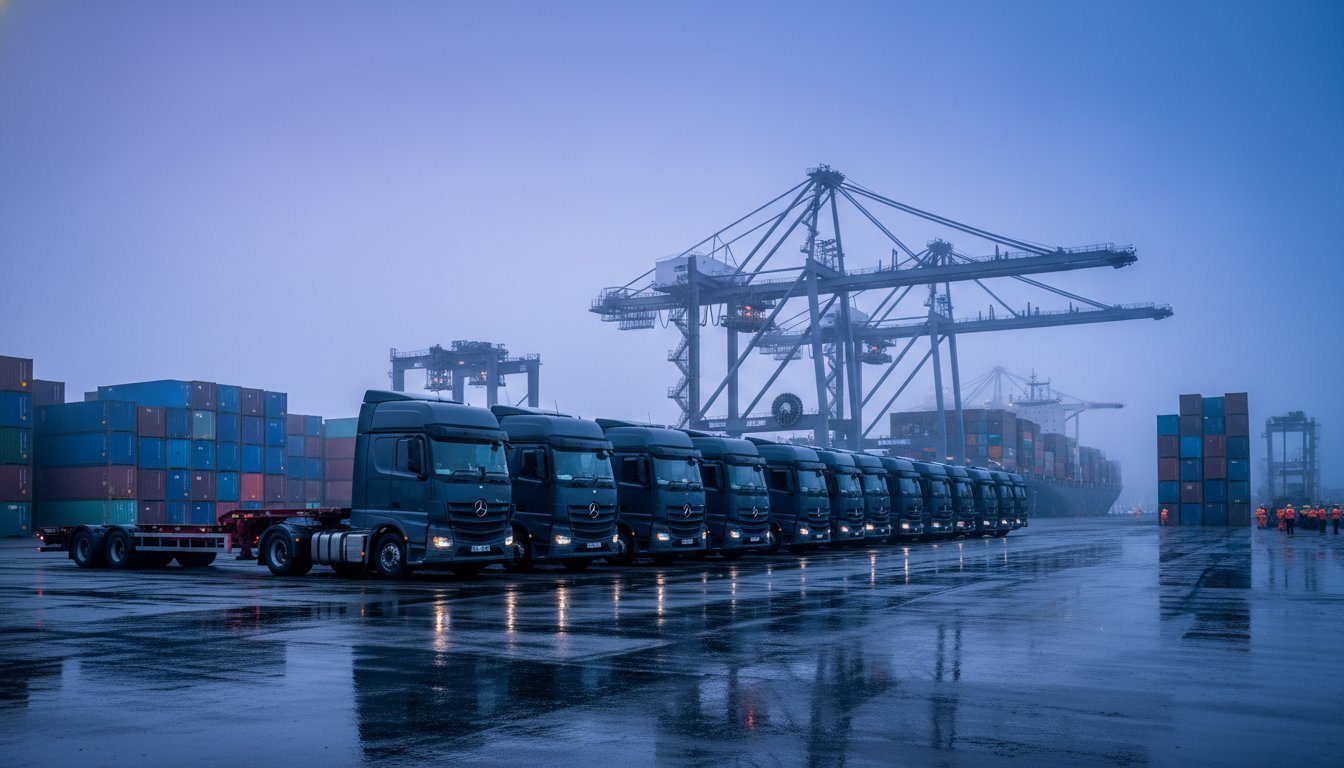
Jagelo Haulage operates a modern container transport fleet of over 40 trucks and trailers. This equipment is specifically maintained to support secure, nationwide transport across the UK. With over 15 years of expertise in port logistics and inland container deliveries, the company provides a stable foundation for complex supply chains. Strategic coverage extends to all major UK hubs, including Felixstowe and Southampton. This geographical reach ensures that your cargo moves efficiently from the quay to its inland destination without the friction often associated with fragmented logistics providers.
A commitment to functional reliability defines the Jagelo approach. Every vehicle is part of a synchronised system designed to provide consistent, protected outcomes. This focus on the fundamentals of haulage allows for a disciplined operational environment where safety and efficiency are never compromised. When you partner with an established provider, you gain the security of a professionally managed operation that understands the high stakes of the modern supply chain. Reliability isn't just a goal; it's the standard by which the entire fleet is managed.
Why a Managed Fleet Outperforms Generic Haulage
A dedicated partner understands the specific nuances of your supply chain needs. Jagelo Haulage combines family-run values with the mechanical power and reach of a national operation. This structure allows for a level of responsiveness that larger, more bureaucratic entities often struggle to provide. Choosing a logistics partner for UK ports that prioritises reliability is a strategic decision. It shifts the focus from mere transportation to a managed outcome where safety and punctuality are guaranteed by established protocols and a well-maintained container transport fleet.
Ready to Move Your Cargo?
You have direct access to experienced transport managers who provide bespoke quotes based on your specific operational requirements. Whether you require merchant haulage or shipping line services, the booking process is designed for clarity and speed. A disciplined fleet is only effective if it's backed by a responsive, professional support team that understands terminal procedures and road legislation. Contact Jagelo Haulage today to discuss your container transport requirements and secure a partner committed to your long-term operational success.
Securing Your Supply Chain Through Operational Excellence
Securing your supply chain requires a shift from generic transport solutions toward technical precision. A modern container transport fleet is defined by its ability to integrate specialised equipment with rigorous safety protocols and real-time oversight. You've seen how the combination of sliding skeletal trailers, Euro VI compliance, and driver expertise creates the stability needed for reliable UK port logistics. These elements ensure that your cargo is protected from the moment it leaves the quay until its final delivery.
Jagelo Haulage delivers this level of disciplined service through a modern fleet of over 40 specialised vehicles. With more than 15 years of port logistics expertise, we provide fully insured and GPS-tracked transport solutions that meet the highest industry standards. It's our priority to ensure that your goods move with the competence and protection your business requires. Our team is ready to synchronise your collections with the precision your operations demand.
Request a professional haulage quote from Jagelo Haulage to secure a partner committed to functional reliability and transit security. We look forward to supporting your national logistics requirements.
Frequently Asked Questions
What should I look for in a container transport fleet?
Prioritise a provider that maintains a low average vehicle age and a high ratio of specialised trailers. A professional container transport fleet must demonstrate a disciplined approach to maintenance through regular safety inspections and hold industry-recognised certifications such as FORS or ISO. These factors ensure mechanical reliability and functional safety for your cargo during transit.
How does a sliding skeletal trailer work?
A sliding skeletal trailer features a retractable chassis that adjusts its length to accommodate different container dimensions. By extending or retracting the rear section, a driver can safely secure 20ft, 40ft, or 45ft units on a single vehicle. This versatility allows the fleet to remain responsive to varying cargo requirements whilst maintaining optimal weight distribution and vehicle stability.
Why is GPS tracking essential for container haulage?
GPS tracking provides the real-time visibility required to monitor cargo location and prevent unauthorised stops. It allows transport managers to provide accurate ETAs and react immediately to traffic delays or port congestion. This technology is a fundamental component for any modern container transport fleet aiming to maintain a secure chain of custody and high operational transparency.
What is the difference between merchant haulage and shipping line haulage?
Merchant haulage is arranged independently by the cargo owner or freight forwarder, offering greater control over delivery schedules and carrier selection. Shipping line haulage is organised by the ocean carrier as part of a door-to-door contract. Merchant haulage typically provides the flexibility required for bespoke delivery windows and specific inland container haulage requirements.
How many containers can a single truck move in a day?
The number of movements is determined by the distance between the port terminal and the delivery site, alongside strict driver hours regulations. A single vehicle typically completes one or two long-distance deliveries or multiple short-radius "shunts" near a port. Adherence to tachograph laws ensures these movements are conducted safely and within legal limits.
Is my cargo insured during road transport?
Professional haulage providers carry Goods in Transit (GIT) insurance to protect cargo against damage or loss whilst on the road. You should always verify the specific limit of indemnity to ensure it covers the total value of your goods. Reputable operators also maintain comprehensive public liability insurance to cover all operational risks during the delivery process.
What safety standards should a UK haulier meet?
A UK haulier should adhere to DVSA standards and ideally participate in the FORS or Earned Recognition schemes. Compliance with the Direct Vision Standard (DVS) is also mandatory for vehicles over 12 tonnes operating in Greater London. These standards signify a disciplined approach to vehicle safety and a high level of driver professionalism within the container transport fleet.
How do you ensure on-time delivery from major ports?
On-time delivery is achieved through strategic route planning and the use of "port-savvy" drivers who understand specific terminal procedures. By monitoring port congestion in real-time and using integrated communication systems, transport managers can adjust schedules to avoid bottlenecks. This methodical coordination ensures that containers move efficiently from major terminals like Felixstowe or Southampton.