Part of our guide to container haulage from Felixstowe
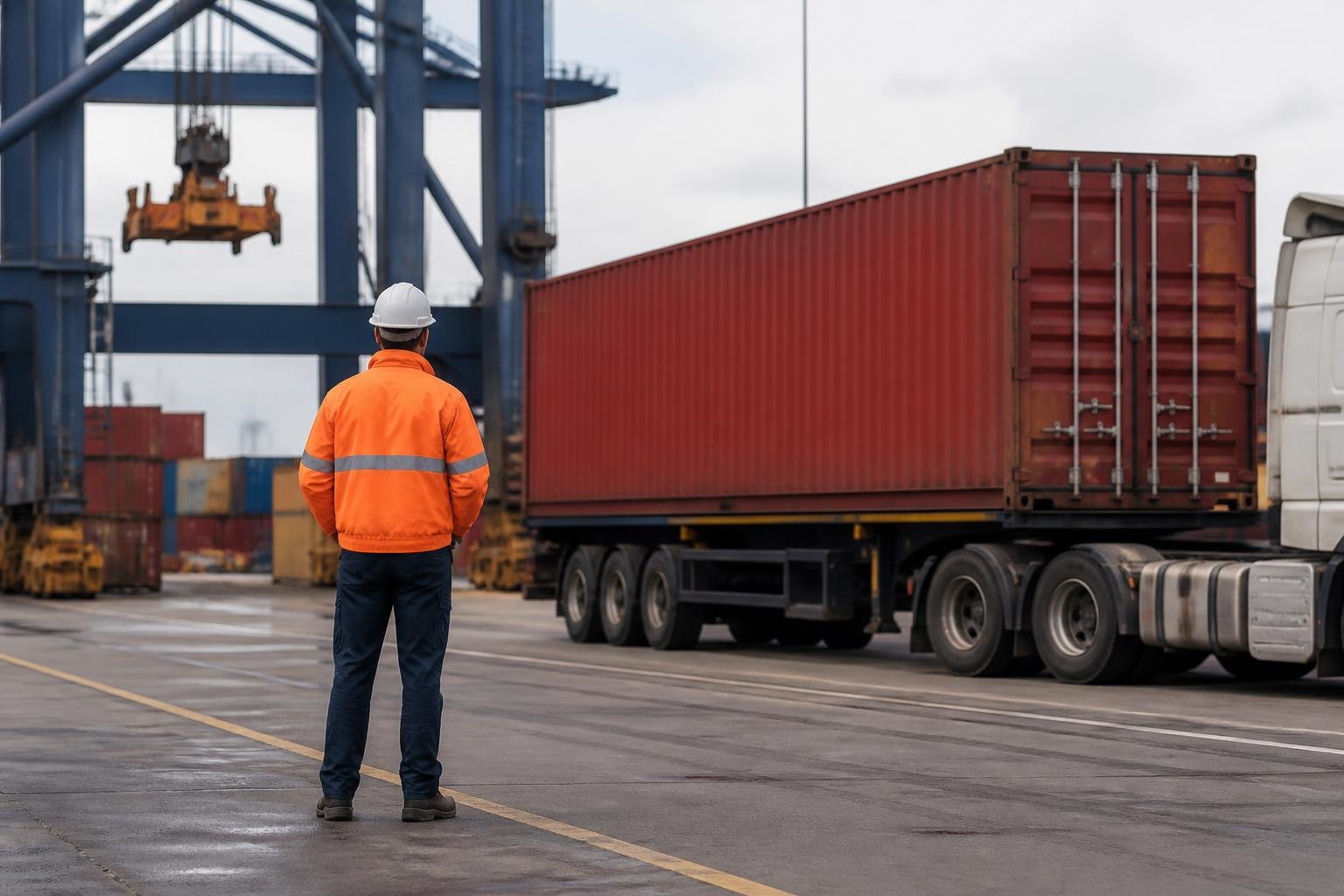
If you are asking who can collect containers from Felixstowe port, the practical answer is this. In normal UK operations, collections are made by an authorised container haulage operator acting on valid release instructions, with the right booking, customs status and driver details in place. A private individual or an unapproved vehicle does not simply turn up at the terminal and take a box away.
For importers, exporters and freight teams, that means the collecting party is usually a UK haulier with the correct port access, equipment, insurance, driver credentials and operational links to the terminal systems. At Felixstowe, the job is not only about having a lorry available. It is about matching the release, the container, the customs position and the vehicle to the terminal’s collection process so the box can leave without avoidable delay.
Who is allowed to collect a container from Felixstowe
At Felixstowe, container collection is normally carried out by an authorised haulage operator instructed by the cargo owner, freight forwarder, shipping line, NVOCC or customs agent. In practice, the haulier must be properly set up to work port jobs, not just general road transport.
For UK importers, this matters because the terminal will not release a container merely because someone says they are collecting on your behalf. The collecting haulier must have the correct reference chain in place. That typically includes the container number, booking or release details, transport order, and confirmation that any customs hold has been cleared or that the movement is authorised under the correct procedure.
For exporters, the position is slightly different. The haulier may be delivering an export container into Felixstowe rather than collecting an import. Even then, the same principle applies. The move is handled by a haulier that can work the port systems, manage time slots and present the right unit with the right documentation and customs status.
For freight teams, “authorised” in day to day terms usually means the haulier has:
- A commercial instruction from the party controlling the move
- Access to the relevant terminal booking system
- Drivers and vehicles accepted for port entry
- Appropriate insurance for container haulage
- The right trailer and equipment for the box type and weight
- A process for checking customs release before dispatch
- The ability to comply with line, terminal and road transport rules
This is why many firms appoint a specialist container operator rather than a general haulier. Felixstowe collections are procedural. Missing one release code, one slot, or one customs step can waste the whole journey.
Where buyers need dependable support across more than one port, it also helps to use an operator that can cover Felixstowe and other UK gateways under one process. Jagelo Haulage Limited positions itself around that model, with port haulage support from Suffolk and wider UK coverage.
What a haulier needs before a port collection can happen
Before a container can be collected from Felixstowe, the haulier needs the release and movement details to be complete. The exact paperwork can vary by line, terminal process and whether the move is import, export, FCL or part of a wider deconsolidation flow, but the core requirements are consistent.
First, the haulier needs a transport instruction. That normally comes from the importer, exporter, forwarder or logistics coordinator and sets out:
- Collection point, in this case Felixstowe
- Delivery point
- Container number
- Size and type
- Gross weight
- Commodity, where relevant to planning
- Required delivery date and time
- Any special handling issue
Second, the release position must be valid. On an import, the shipping line or controlling party must have issued the release so the terminal can allow the container to leave. Depending on the traffic, this may involve:
- Shipping line release
- Terminal release status
- PIN or collection reference, where used in the release chain
- Confirmation that freight charges, line charges or local fees have been settled if those affect release
Third, the customs status must be right. In the UK, post-Brexit customs processes are not the same as the wider EU model. A container cannot lawfully move inland as a normal cleared import if customs entry is incomplete or a hold remains in place. Depending on the move, the haulier or instructing party may need confirmation that:
- Import customs clearance has been completed
- A transit movement is in place if the box is moving under transit
- Any inspection hold has been lifted
- Port health or other government checks, where applicable, have been dealt with
- The Goods Movement Reference or other movement reference required for the specific flow has been issued, where relevant
Fourth, the booking has to be made. Felixstowe uses CARGOES VBS for vehicle booking. A haulier generally needs to secure a valid slot before the driver attends. Without a booking, or with the wrong booking details, the vehicle may not be accepted or may face long delay while the issue is corrected.
The booking process usually requires:
- Haulier account access
- Container number
- Visit type
- Time slot selection
- Vehicle and sometimes driver allocation, depending on internal process
- Confirmation that the box is available in the terminal stack
Fifth, the equipment must match the job. A 20ft box with high gross weight may need a different planning decision from a light 40ft unit. A Refrigerated Container may need genset planning or immediate connection arrangements after delivery. Cargo with a Hazardous Goods Requirement needs the load to be reviewed against ADR obligations, documentation, placarding and routing considerations.
For LCL traffic, the process may be different because the consignee is often not collecting a full sealed box from the port. LCL cargo is usually devanned at a facility and moved onward as pallets or part loads. By contrast, FCL moves are the standard container collection scenario from Felixstowe. If you need a clearer picture of how these full box moves are typically managed, the guide to full load container haulage in the UK is directly relevant.
How container collection works at Felixstowe day to day
On a normal import collection, the day starts before the driver leaves the yard. Operations checks that the container is released, customs status is acceptable, and the time slot in CARGOES VBS is live. The planner also checks the size, weight and type of container against the allocated tractor and trailer.
The driver is then briefed with the job details, usually including:
- Container number
- Booking time
- Collection terminal details
- Delivery address
- Any seal or inspection note
- Contact details for traffic office and delivery site
- Any note about waiting time, site access or out of hours delivery
The vehicle arrives at Felixstowe and follows the terminal entry process. The exact gate sequence can vary by terminal arrangement and system updates, but the principle is straightforward. The truck presents for entry against a valid booking and the terminal systems verify that the visit is expected and that the container can be released.
If the visit is accepted, the driver proceeds to the assigned collection area or follows terminal instructions for the stack location and lifting process. The container is mounted onto the trailer by terminal equipment. The driver then secures the load in accordance with road transport safety requirements and proceeds through the outbound checks.
At this stage, operators usually verify:
- Correct container number on the trailer
- Visible condition of the box
- Seal position, where relevant
- Obvious damage or discrepancy
- Weight and road legality
- Chassis and twist lock security
Departure from the port is only one part of the move. Once the box is on the road, the haulage job becomes a standard UK delivery movement, but one that often needs close communication. Delivery sites may have booking systems of their own, unloading restrictions, limited waiting windows or requirements for timed arrival.
That is why buyers often want tracked and insured transport rather than a basic one way move. If the delivery is time sensitive, the value is not only in collecting the box from Felixstowe. It is in keeping the consignee informed, managing ETA changes and resolving issues before they become redelivery costs.
For firms that regularly rely on overflow capacity or urgent cover, this explanation of how subcontracted container haulage keeps port moves on track is useful context. It reflects the reality that port work often depends on responsive planning, especially during peak periods.
What can delay a collection and how operators reduce the risk
Most Felixstowe collection problems are not caused by the physical act of lifting the container. They come from release, customs, timing or equipment issues upstream.
One common delay is a missing or incomplete release. The haulier arrives, but the line release has not been finalised, the terminal status is not updated, or a charge remains unresolved. The best way to reduce this risk is to check release status before dispatch, not after the truck is already committed.
Customs issues are another major cause. A container may still be uncleared, selected for inspection, or awaiting a supporting reference. In the UK, these checks are specific to UK customs procedures and should not be assumed to follow a general EU pattern. Operators reduce the risk by requiring customs confirmation before booking the road move, especially for same day collections.
Slot problems are also common. If the booked time in CARGOES VBS is missed, the haulier may need a new slot. During busy periods, that can push the collection back. Good operators manage this by planning realistic transit time to the port, monitoring driver hours, and rebooking early if traffic or previous jobs threaten the slot.
Port congestion can affect turnaround even where everything else is correct. Queues, stack pressure, system slowdowns and peak vessel activity can all extend dwell time inside the port. A responsive traffic office helps here. Customers do not expect congestion to disappear, but they do expect honest updates and revised ETA information.
Equipment mismatch is another avoidable issue. Examples include:
- Sending the wrong trailer length for the box
- Planning a heavy 20ft unit without considering axle and gross weight limits
- Allocating a standard setup to a Refrigerated Container movement needing additional handling
- Taking on a load with a Hazardous Goods Requirement without checking ADR implications
- Failing to plan for oversize or specialist ISO containers
Operators reduce these risks by checking the technical details of the move at booking stage, not assuming every container is interchangeable. A 20ft ISO Container, 40ft ISO Container and 45ft ISO Container can all move through the same port, but the road planning, payload assumptions and delivery site suitability are not always the same.
Data quality matters too. Wrong container numbers, outdated references, incorrect delivery postcodes and missing site contacts all create avoidable delay. The best traffic teams run a pre-move check list rather than relying on fragmented email chains.
What type of haulage support may be needed after collection
Not every Felixstowe collection is a simple port to warehouse run. Some are straightforward standard moves, but others need specialist planning after the box leaves the port.
A standard move is usually an FCL import or export using a typical road legal container on a normal trailer, going to or from a warehouse, factory, distribution site or container depot. In these cases, the main variables are timing, weight, delivery restrictions and return instructions.
More specialised jobs involve ISO containers with additional operational requirements. That can include:
- 20ft ISO Container moves where payload is dense and weight distribution matters
- 40ft ISO Container work for mainstream import and export flows
- 45ft ISO Container deliveries where site access and trailer compatibility need checking
- Refrigerated Container transport where temperature integrity and power arrangements may matter after collection
- Loads with a Hazardous Goods Requirement, where ADR documentation, driver preparation, placarding and delivery controls must be checked
- Oversized or non-standard equipment that needs a more tailored movement plan
The cargo profile can also affect onward support. Some importers need temporary storage, redelivery planning, container return coordination or urgent same day repositioning. Others need a haulier that can cope with multiple collection points, split delivery schedules or changes after the driver has already entered the port.
Where the shipment is not a full box movement, the distinction between FCL and LCL becomes important. LCL cargo is often measured and rated by CBM and handled through groupage or devanning arrangements rather than direct sealed container delivery to the final consignee. A buyer should be clear whether they need container haulage or onward cargo distribution after the port stage.
Choosing a UK haulier for Felixstowe and other major ports
When selecting a haulier for Felixstowe, start with operational capability rather than headline claims. The key question is whether the firm can reliably collect, communicate and deliver under normal and difficult conditions.
Check port coverage first. If your traffic is not limited to Felixstowe, it makes sense to appoint a haulier that can also support DP World Gateway, Tilbury, Southampton and Liverpool. That avoids rebuilding the process every time your routing changes or vessel schedules shift.
Then look at visibility. Buyers increasingly expect live updates, clear ETA management and proof that the load is where it should be. Tracked transport is no longer a nice extra on urgent port work. It is part of basic control.
Insurance is another practical checkpoint. Container haulage involves exposure at the port, on the road and at delivery. Ask what cover is in place and whether the operator regularly handles standard boxes only, or also Refrigerated Container and Hazardous Goods Requirement jobs.
Responsiveness matters more than polished sales language. A good port haulier answers quickly, flags release issues early and tells you when a slot, customs hold or delivery booking is at risk. If you are comparing providers, this article on how buyers now shortlist haulage firms online is a sensible checklist of what commercial teams tend to look for.
Finally, assess whether the operator can support exceptions, not just routine work. Emergency availability, same day cover, wider fleet access and familiarity with major UK ports all matter when plans change.
Jagelo Haulage Limited is aimed at that type of requirement. For operators moving containers through Felixstowe and across the UK, the value is in practical coverage, tracked and insured transport, and the ability to handle standard and more demanding jobs through the same contact point. If you need a haulier that can collect from Felixstowe and continue the move through a controlled national network, nationwide container haulage support across major UK ports is the service model to look for.
In short, the people who collect containers from Felixstowe are usually authorised container haulage operators working on complete release, booking and customs information. The smoother the paperwork, slot booking and equipment planning, the smoother the collection. For UK businesses, that is what turns a port move from a risk point into a routine part of the supply chain.
Can anyone turn up and collect a container from Felixstowe?
No. Collection is normally carried out by an authorised haulage operator with the correct booking, release details and vehicle information accepted through the port process.
What information does a haulier need to collect from Felixstowe?
Usually the container number, booking or release reference, collection slot details, customs status, delivery address and any load-specific requirements for the onward move.
How long does it take to collect a container from Felixstowe?
It depends on slot availability, port traffic, customs clearance and whether all release details are in place. Delays are common if any part of the paperwork is incomplete.
Can the same haulier deliver beyond the port collection?
Yes. Many operators arrange port collection and onward delivery as one job, including tracked transport to warehouses, distribution sites or customer premises across the UK.
Do refrigerated or hazardous containers need special handling?
Yes. A Refrigerated Container or a load with a Hazardous Goods Requirement may need the right equipment, planning and compliance checks before collection and delivery.