More on FCL container transport from Jagelo Haulage
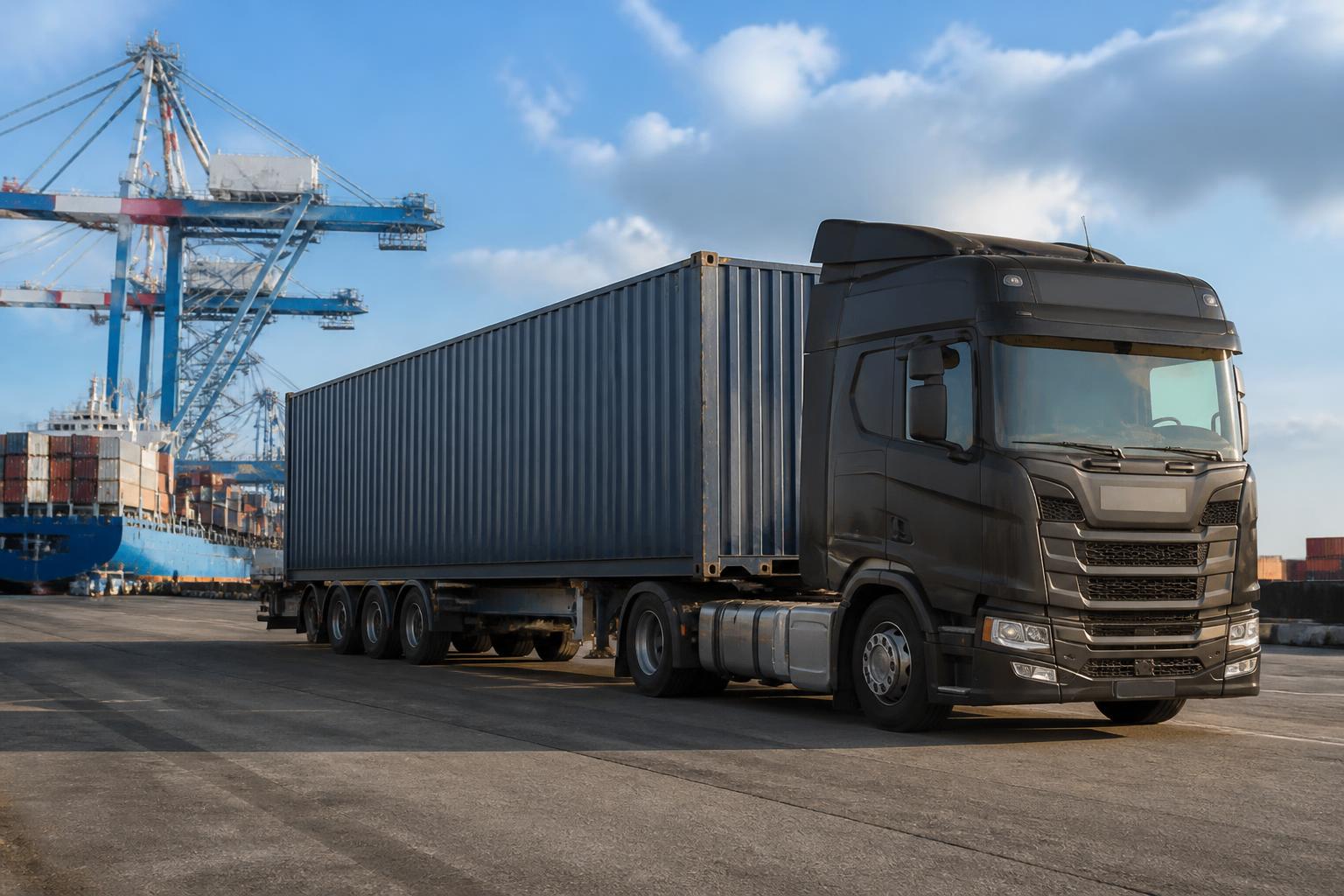
Full container load haulage is the movement of one sealed shipping container from the port to its delivery point under a single booking, with the container allocated to one importer, exporter or operator for that move. In UK terms, it usually means a road haulage job starting once the line and terminal have released the box, followed by collection from the quay or stack, trunking by road, and delivery to a warehouse, factory, distribution centre, cold store or another transport handover point.
For buyers arranging port collections, the practical question is not the shipping definition alone but whether FCL gives better control than a shared movement. If the cargo fills most of the box, needs fewer touchpoints, has a fixed delivery window, or carries higher security or temperature risk, a direct container move - often optimized using tools like logivo.ai - is often the cleaner option. That is the day-to-day work handled by operators such as Jagelo Haulage Limited, moving containers through Felixstowe, DP World Gateway, Tilbury, Southampton and Liverpool with nationwide delivery support.
What full container load haulage means
In shipping, FCL means one customer’s goods move in one container. In practical UK haulage terms, that means the haulier is instructed to collect a specific import container from a named port terminal and deliver that same sealed unit to the consignee or unloading site.
The key difference from LCL is handling and responsibility. With LCL, multiple consignments are grouped into one container. At the UK end, the box is usually moved to a deconsolidation point or container freight station, where the separate consignments are stripped, sorted and then sent on by pallet network, van, rigid or another final-mile method. The importer does not usually receive the whole container at their site.
With FCL, the container itself is the delivery unit. That changes the operation in several ways:
- one booking reference ties to one container movement
- seal integrity matters because the box should remain closed until the consignee opens it
- the delivery site must be able to accept the container vehicle and unload within the agreed time
- demurrage, detention and storage exposure can sit more directly with the speed of collection and return
- the haulier plans around the gross container weight, terminal release, VBS slot and delivery constraints, not around multiple consignee drops
For port-to-destination moves, FCL is usually simpler operationally when the cargo volume justifies a dedicated container. LCL can reduce sea freight cost for smaller consignments, but it adds another handling stage and another timetable. That matters if the buyer’s priority is direct control of the container from port to site.
When FCL is the right option
FCL is often the right choice when the shipment volume is high enough that sharing a box no longer saves much. Many buyers first compare by CBM. If the cargo is taking a substantial share of the available space, or if weight is reached before cube, the economics and practicality often move towards a dedicated container.
Volume is only one factor. Timing is often more important. FCL is usually more suitable where:
- the goods are needed at a factory, warehouse or retail intake on a fixed date
- the consignee wants the container delivered directly for live unload or devanning
- there is a narrow booking window at destination
- the shipment is time-sensitive and another deconsolidation stage would create avoidable delay
Security is another common reason. A sealed FCL movement reduces touchpoints between quay and destination. That can suit higher-value goods, bonded goods, sensitive stock lines, or cargo where shortage claims become difficult once the box has been opened and split.
Handling requirements also matter. Some cargo should not be repeatedly moved, broken down or reworked. Cartons that crush easily, awkward machinery, packed retail loads, moisture-sensitive goods and temperature-controlled products all tend to benefit from fewer handling events. The same applies where the cargo has been loaded to a site-specific unloading sequence and the consignee wants the box presented intact.
There are also compliance and risk reasons. If there is a Hazardous Goods Requirement, or the goods need specialist checks on segregation, placarding or paperwork, a direct FCL move can be easier to control than a shared load. The same applies to a Refrigerated Container, where power continuity, set-point checks and timely collection are operational priorities.
In short, FCL is usually the better fit where one or more of these apply:
- enough cargo volume or weight to justify a dedicated box
- direct delivery is more important than lowest unit shipping cost
- the cargo is sensitive, high-value or difficult to handle
- the consignee needs control over unloading and container turnaround
- delay from deconsolidation would create knock-on cost
How UK port container haulage works today
The current UK process starts before the driver reaches the port. The container must be released correctly by the shipping line and terminal, and the haulier must have the right references and collection authority. In many cases the planner also checks customs status, line holds and whether any port storage, examination or documentation issue is still open.
At Felixstowe, vehicle bookings are commonly managed through CARGOES VBS. Without the right slot, a collection can fail before it starts. Other ports, including DP World Gateway, Tilbury, Southampton and Liverpool, have their own gate, terminal and booking procedures, but the principle is the same: the box must be available, the haulier must be authorised, and the vehicle must attend in the booked window.
A standard import movement usually runs like this:
- Booking received from the customer with container, line and delivery details.
- Planner checks release status, terminal location, collection references and any customs or line restrictions.
- Vehicle and chassis type are allocated according to the container size, weight and cargo type.
- Port slot is booked where required.
- Driver attends port, passes gate and collects the container from the assigned stack or loading point.
- Container leaves the port and moves by road to the delivery address.
- Delivery is made as live unload, drop and swap, or another agreed method.
- Empty return is arranged to the nominated depot or terminal within the allowed period if required.
That is the ideal sequence. In practice, planners build around variables that can change on the day:
- terminal congestion
- missed or limited booking slots
- quay or stack delays
- line holds and documentation queries
- customs examinations
- VGM or weight discrepancies
- destination unloading overruns
- restrictions on empty returns
The UK position also differs from wider EU road practice in a few useful ways for buyers. Port haulage is shaped by UK terminal systems, domestic road rules, and post-Brexit customs processes for international cargo. A movement from a UK port to a UK inland site is not simply an EU inland container leg under a common customs framework. Buyers need the UK release, entry and delivery chain checked on its own terms.
For urgent jobs, same-day port collection may be possible, but only if the container is genuinely released, a slot can be secured, and a compliant vehicle is available in the right area. That is where responsive planning matters more than broad promises.
Container types and operational requirements
Not all container haulage jobs are operationally the same. The type of box changes the vehicle, route planning, payload assumptions, site access checks and unloading method.
Most standard work involves ISO containers. Even within that category, a 20ft ISO Container and a 40ft ISO Container can behave very differently in planning terms.
A 20ft ISO Container is often the heavier job for road haulage because dense cargo can bring the gross weight close to legal road limits. The planner needs accurate cargo weight, not just a rough estimate, because axle loading and tractor/trailer suitability matter. Delivery sites that assume a shorter box is easier can be caught out if ground conditions, turning space or unloading plant are not suitable for a heavy unit.
A 40ft ISO Container usually carries more cube and often lower density cargo, but it needs more room at delivery. Access roads, gate width, turning circles and unloading bay layout become more important. A site that can take a rigid may still struggle with an articulated container trailer and a long box.
A 45ft ISO Container adds another layer. It offers more internal volume, but not every site can receive it comfortably, and not every route is equally practical. The planner will want early confirmation of access, any local restrictions, and whether the unloading point can safely accommodate the extra length.
A Refrigerated Container changes the job again. A reefer move is not just a standard port collection with a cold box attached. The haulier must consider:
- set temperature and whether it must be maintained in transit
- whether genset or powered support is needed during any waiting period
- collection timing to minimise risk
- delivery site capability to unload promptly
- any product-specific instructions or checks
Where the load is hazardous, oversized or otherwise non-standard, specialist equipment and planning are needed. That may include ADR capability, placarding checks, route review, weight distribution planning, or escort and permit considerations depending on the cargo and dimensions.
Information a haulier needs before collection
A smooth container move depends heavily on the quality of the information given at booking stage. Delays, failed collections and delivery issues are often caused by missing references or incomplete site details rather than by the road leg itself.
At minimum, the haulier will usually need:
- port of collection
- terminal name
- container number
- size and type of container
- shipping line
- release or collection reference
- booking contact details
- delivery address
- requested delivery date and time window
For cargo planning, the key details are:
- cargo description
- gross container weight
- estimated cargo weight if gross is not yet confirmed
- whether the goods are palletised, floor-loaded or require special unloading
- whether there is a Hazardous Goods Requirement
- UN number, class, packing group and emergency information where hazardous cargo applies
- temperature set-point and product instructions for any Refrigerated Container
For site planning, the haulier should know:
- opening hours
- booking-in procedure
- whether unloading is live or whether a drop is required
- forklift or clamp truck availability
- ground conditions
- gate width and vehicle height limits
- turning space for articulated access
- any restrictions on waiting, reversing or out-of-hours arrival
- whether there are weight limits on the approach roads or within the yard
It also helps to confirm commercial and control points such as:
- who is responsible for demurrage, detention and storage exposure
- whether the empty return is included in the instruction
- contact names for warehouse, traffic office and out-of-hours escalation
- proof of delivery requirements
- whether load tracking updates are expected during transit
If customs status or line release is uncertain, that should be flagged early. Sending a vehicle to the port before the box is properly available wastes time and can jeopardise the day’s wider schedule.
What affects cost, timing and urgent support
Container haulage pricing is driven by the actual operating conditions of the move, not just by postcode to postcode mileage. Buyers should expect cost to be shaped by a combination of port, box type, weight, timing and delivery complexity.
The main pricing factors usually include:
- collection port and terminal
- distance to delivery point
- container size and type
- gross weight and any heavy container implications
- waiting time at port or delivery site
- whether the job is a live unload, drop, swap or multi-stage move
- empty return location
- specialist equipment needs
- hazardous cargo requirements
- urgency and out-of-hours attendance
Lead time depends first on release and slot availability. A box that is physically in port is not automatically ready to move. If the line has not released it, customs is incomplete, or no booking window is available, the movement cannot start cleanly.
Same-day support is therefore possible only where several things line up at once:
- the instruction is complete
- the box is released
- a collection slot is available
- a suitable driver and vehicle are in position
- the delivery site can receive the load
This is why responsive support matters. A haulier with active planning coverage around Felixstowe, DP World Gateway, Tilbury, Southampton and Liverpool is better placed to confirm quickly whether an urgent job is genuinely workable.
Delay risk usually comes from a short list of recurring issues:
- incomplete or incorrect references
- line or terminal holds
- port congestion
- overweight or misdeclared loads
- destination access problems
- consignee not ready to unload
- missed return windows for empties
- specialist cargo details provided too late
Buyers can reduce those risks by providing complete booking data early, confirming site readiness, and allowing realistic timing around the terminal systems used by each port. That is especially important for heavy boxes, reefers, hazardous cargo and urgent same-day requests.
For operators moving containers through the main UK ports, the practical value in full container load haulage is direct control: one box, one road movement, one accountable handover from terminal to destination. When the cargo volume, timing, security or handling needs justify it, FCL gives a cleaner and more predictable inland leg than a shared deconsolidation route. Jagelo Haulage Limited is set up around that requirement, with tracked and insured transport, major port coverage and the ability to respond when a standard booking turns into an urgent one.
What is the difference between FCL and LCL?
FCL is one full container booked for one shipment, while LCL combines smaller consignments from different shippers. FCL usually gives simpler handling, fewer touchpoints and more direct onward haulage.
What details are needed to book full container load haulage?
A haulier usually needs the port, container number, release status, collection reference, delivery postcode, container size, gross weight, cargo type and any time or access restrictions.
Can full container load haulage be arranged from major UK ports?
Yes. Operators commonly arrange collections from Felixstowe, DP World Gateway, Tilbury, Southampton and Liverpool, then move containers onward to sites across the UK.
How do container size and type affect the job?
They affect trailer choice, route planning, payload checks, site access and handling needs. A 45ft ISO Container or Refrigerated Container may need extra planning compared with a standard box.
What if the cargo has a Hazardous Goods Requirement?
The haulier needs the correct dangerous goods information before collection. That allows checks on compliance, equipment, routing and any site or port restrictions before the move starts.
Can urgent same-day container haulage be possible?
It can be, depending on release status, port slot availability, driver capacity, distance and delivery site readiness. Fast response matters most when timing is tight.