More on refrigerated containers from Jagelo Haulage
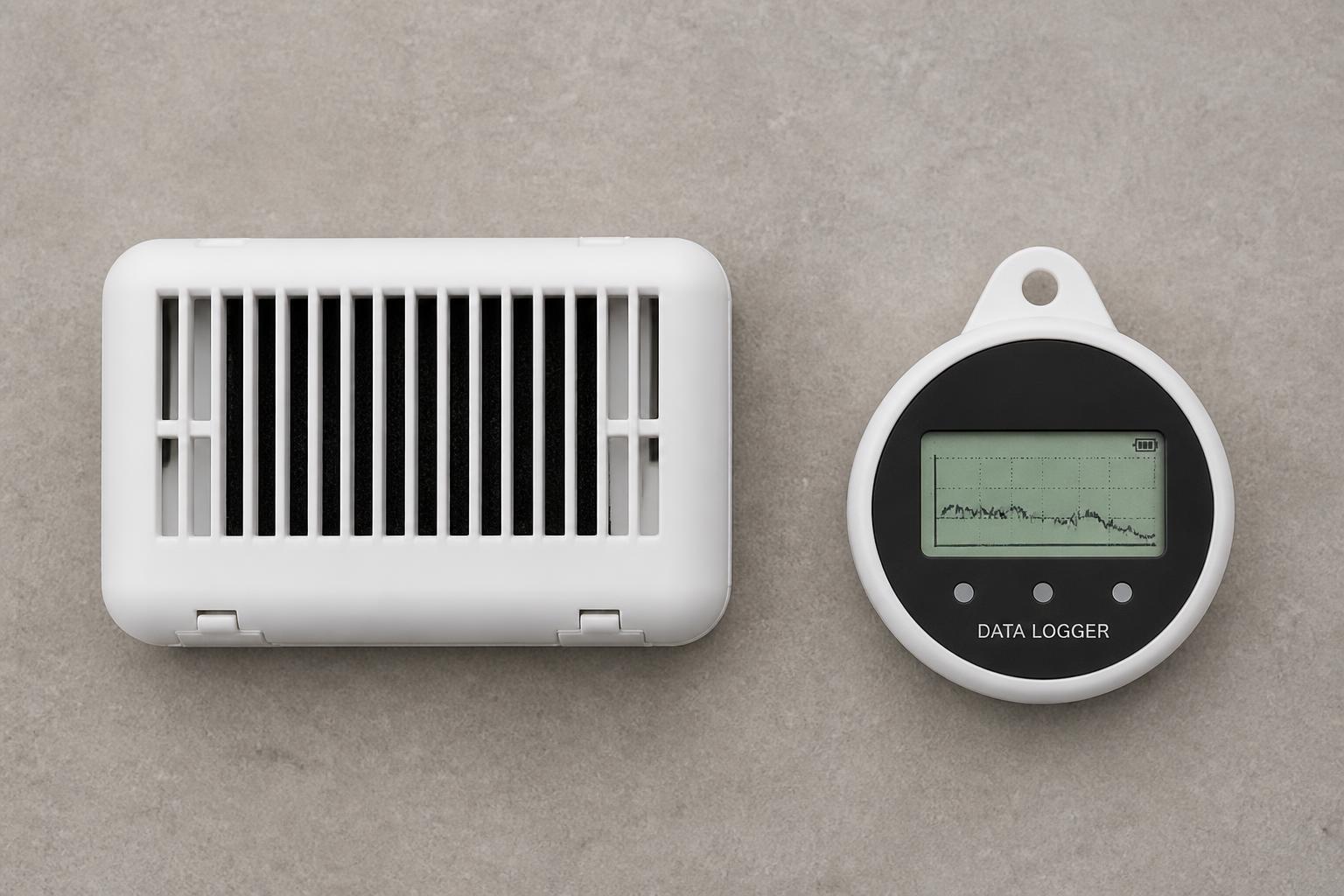
A Refrigerated Container controls temperature by moving chilled air through the box, comparing what the unit is doing against the set point, and recording how it performs while the cargo is in transit. In practice, temperature control is not just about whether the display says the right number. It is about the full operating picture, set point, supply air, return air, alarms, running status, and the data log that shows what happened over time.
For importers and forwarders, that matters most when something is queried after delivery. A temperature record can help show whether the unit held the instructed setting, whether there was an interruption, and whether the issue is more likely to have come from the equipment, the load, the settings, delays, or the condition of the product when it was stuffed. In UK container haulage, especially on merchant haulage jobs from Felixstowe, London Gateway, Tilbury, Purfleet, Southampton and Liverpool, knowing where that responsibility starts and ends avoids a lot of wasted argument.
What reefer temp monitoring actually covers
In a Refrigerated Container, the refrigeration unit is there to maintain the set point given for the cargo. That set point is the target temperature entered into the controller. It is not the same thing as the cargo pulp temperature, and it is not a guarantee that every carton or pallet is at that exact temperature at every moment.
The main readings people look at are usually:
- Set point
- Supply air temperature
- Return air temperature
- Operating mode and running status
- Defrost activity
- Alarms and alarm history
- Data logger records over the journey
Supply air is the air leaving the unit and being pushed into the container. Return air is the air coming back to the unit after circulating through the load. The difference between the two can tell you a lot. If the unit is supplying cold air at the correct level but return air stays high, that can point to warm product, poor airflow through the stow, or doors having been opened. If both readings are wrong, the issue may sit with settings, power interruption, or the machinery itself.
That is why proper reefer temperature monitoring is broader than a single display check at the gate. It is about trend and context. A unit can look fine when a driver arrives, but the data log may show an earlier alarm, a period without power, or repeated door openings at a previous point in the move.
Alarms matter, but they need reading properly. Not every alarm means the cargo is damaged, and not every cargo problem creates an alarm. Some alarms relate to sensor faults, defrost, low voltage, phase issues, or high return air. A reefer can also complete a journey with no active alarm on handover, even though there was an interruption earlier which is only visible in the log.
The data logger is often the most important record when a shipment is challenged. Most modern reefer units store operating data at intervals. Depending on the unit and line process, that can include temperatures, set point changes, alarms, and power events. The shipping line, depot, terminal technician, or surveyor may download that information. As hauliers, we do not alter those records. Our role is to collect and deliver the container in the condition presented, note what is visible at handover, and raise issues early.
It is also worth saying what monitoring does not cover. A Refrigerated Container is designed to maintain cargo within the operating envelope of the unit. It is not there to pull down hot product loaded above the required carrying temperature, unless the shipment and commodity instructions specifically allow for that mode. For most chilled and frozen cargoes, the product should be loaded at the correct temperature before stuffing.
Why temperature records matter when a load is questioned
When a consignee reports a cargo issue, the first question is usually simple, did the container hold temperature? The answer is rarely found from one photo of the controller. You need the record.
Temperature records help separate five common causes of claims:
- Equipment performance
- Incorrect settings
- Delay or interruption during the move
- Loading and airflow problems
- Product condition before loading
If the data log shows the unit held the instructed set point, supply and return air behaved normally, and there were no significant alarms or power losses, attention usually shifts away from the machinery and towards loading pattern, packaging, blocked air channels, mixed product, or product loaded too warm.
If the set point was wrong, that is a different issue. Sometimes the problem is as basic as a booking instruction not matching the line instruction, or a commodity being set for the wrong carriage temperature. In those cases, the log may show stable operation at the wrong target. The equipment worked, but the shipment was set up incorrectly.
If there was a delay, records can show whether that delay actually affected the cargo. A truck waiting in a queue is not automatically a temperature event if the unit remained connected and running. A period at a terminal stack is not automatically a problem either, provided the box stayed on power where required. But if the unit lost power, or if a genset issue occurred on a leg where one was needed, the timeline becomes important.
That is why timings matter so much in merchant haulage. We plan collections against release, customs status, line free time and port booking availability, because once a reefer move starts slipping, the operational risk grows with the cost risk. We have covered the commercial side of that in our guide to how detention charges build up on UK container moves, but on temperature-sensitive work the timeline also matters for product assurance.
Records are also important because they can clear the haulier where the issue sits elsewhere. If the unit performed correctly from quay collection to delivery point, and the handover notes match that, the claim may rest with stuffing, commodity preparation, set up at origin, or handling after arrival. Equally, if there is a visible issue at collection, such as an alarm, physical damage, or uncertainty over the set point, raising it immediately gives everyone a chance to stop and check before the load moves further inland.
In the UK, cargo claims on container haulage are generally dealt with on the contract terms agreed for the move. For us that means RHA 2024 conditions unless agreed otherwise, with freight liability at £6,500 per tonne as standard on our work, including subcontracted loads, and up to £10,000 per tonne by arrangement for higher value freight. That liability position is separate from proving what caused a temperature issue. The operating records still matter first.
Where monitoring responsibility starts and ends in container haulage
For a UK port move, responsibility is split across several parties. That split is practical, not theoretical, and most disputes become easier once each step is separated properly.
The shipper or stuffing site is responsible for preparing the cargo correctly, using the right commodity instructions, loading at the correct product temperature, and stowing the container so air can circulate as designed. If the floor channels are blocked, cartons are hard against the ceiling line where they should not be, or warm goods are loaded into a box expected only to maintain temperature, monitoring will not put that right later.
The shipping line is responsible for providing the container under its equipment regime, including the reefer machinery, servicing standards, controller function and access to the technical records held within its process. The line also controls release, documentation and many of the rules around where the box can be collected, grounded, returned and inspected.
The terminal is responsible for handling the container within the port environment. That includes stack operations and the terminal systems used to release the box to the collecting haulier. In practical terms, if a reefer is on terminal, the terminal and line arrangements govern power connection and handling before out-gate. Port systems differ. At Felixstowe, for example, slotting and collection flow sit within the terminal process, while other ports may route bookings differently. Depending on port and terminal, we may be working through CARGOES VBS, a Container Booking System, or another CBS process to secure the collection slot.
Our responsibility as the haulier starts when we accept the instruction and plan the move, then physically collect and carry the container. On a merchant haulage booking, that means we book the port slot, monitor release and customs position, collect within the available window, and deliver to the instructed site. We check what is visible and available to us at collection and delivery. We are not the party setting the commodity carriage instructions, and we are not the party downloading and certifying the reefer controller data log unless separately arranged through survey or technical support.
The receiving site is responsible for taking delivery promptly, checking seals, checking the condition on arrival, and unloading in a way that protects the product. If a container stands for hours after arrival before anyone opens it, that may matter. So may the site temperature, dock readiness, or whether the consignee checks against the expected set point and documents before breaking the seal.
This is one reason we push for clear communication when plans change. A reefer move can be affected by release delays, missed booking windows, warehouse refusals, or late notice changes to delivery timing. The earlier those are known, the more options there are to protect both cost and cargo. We set out the wider operational side in our article on keeping container deliveries moving when plans change.
What to check when a reefer container is collected or delivered
At handover, the checks that matter are the simple ones that establish condition, status and traceability. Whether the load is in a 20ft ISO Container, 40ft ISO Container or 45ft ISO Container, the basic discipline is the same.
On collection from port, depot or terminal, the points worth checking are:
- Container number matches the job
- Unit is the correct type and size
- Reefer unit appears to be running, where it should be running
- Displayed set point matches the transport instruction, where available to check
- No active alarm is visible, or if one is visible it is recorded and raised
- Exterior condition is acceptable for transport
- Doors, hinges and locking gear look secure
- Seal status is checked and recorded
- PTI or other line documentation is available where relevant within the job paperwork
- Collection time and place are recorded accurately
At delivery, the checks are similar:
- Delivery site confirms the correct container number
- Seal is checked before breaking
- Any discrepancy in seal number is noted immediately
- Unit running status is observed on arrival
- Any visible alarm is noted
- Any external damage is recorded with photos where possible
- Delivery time is recorded
- POD notes any issue at handover
For reefer work, one of the most useful habits is to record what is actually visible, without trying to interpret beyond that at the gate. “Set point showing X”, “no visible alarm”, “alarm displayed”, “seal intact”, “damage to front right corner”, these are useful facts. “Cargo definitely spoiled” is not.
Documents matter as much as the physical check. Depending on the movement, that may include the transport order, release details, customs clearance status, seal information, delivery reference, and any special instructions on temperature or handling. On FCL moves that is usually straightforward. On LCL work, where a temperature-sensitive consignment is moving within a wider consolidation, the practical control points can be different because the box handling sits with the consolidator or deconsolidation site rather than the importer receiving a full unit. Volume measures such as CBM matter commercially on LCL, but for reefer claims the key issue is still who controlled the box, the settings and the cargo condition at each stage.
For importers choosing a haulier, the important point is not whether the haulier claims to be a reefer technician. It is whether the haulier knows what to check, what to record, and when to escalate before a small issue becomes port storage, demurrage, detention, or a disputed delivery. We covered that selection point in choosing a reefer container haulier without extra port cost.
Common mistakes that monitoring will not fix
The most common temperature claims we see around container logistics are not caused by a total absence of monitoring. They come from basic operational errors that monitoring can only reveal after the fact.
The first is the wrong commodity setting. A Refrigerated Container can only follow the set point and mode it has been given. If the instruction is wrong, the unit may perform perfectly and still carry the cargo incorrectly. That is why set point confirmation at booking and handover matters.
The second is warm product loaded in. Reefer units are generally designed to maintain, not aggressively pull down, cargo temperature. If goods are stuffed above their required carrying temperature, especially dense palletised product, the return air reading may stay elevated for a long time while the core of the load never reaches target.
The third is blocked airflow. Reefer design depends on air circulation. If cartons are packed tight against the rear doors, if the T-floor channels are obstructed, if packaging collapses, or if over-stow prevents air return, the unit can deliver the right supply air while parts of the cargo still sit outside tolerance.
The fourth is poor loading pattern. Mixed products with different carriage requirements, uneven stow, or pallets placed without regard to air movement can all create hot spots or freezing damage. Monitoring may show unusual temperature behaviour, but it cannot rearrange the load.
The fifth is door opening and handling delay at premises. Once the container reaches the receiving site, prolonged door-open time, delayed unloading, or poor dock practice can affect product condition quickly, particularly on chilled cargo.
The sixth is assuming the display equals the cargo temperature. It does not. The controller tells you what the unit is reading and doing. It does not replace product probes, pulp testing, or a proper survey when the goods themselves are in question.
That is the practical value of reefer temperature monitoring in container haulage. It gives an operating record. It helps show whether the unit was instructed correctly, whether it ran as expected, and whether there is evidence of interruption or alarm. It does not replace correct stuffing, correct product temperature, correct settings, or disciplined handover checks.
At Jagelo Haulage Limited, we handle port collections and deliveries for ISO containers across Great Britain, including temperature-sensitive work from Felixstowe, London Gateway, Tilbury, Purfleet, Southampton and Liverpool. With 40 vehicles and 40 trailers on operator licence OF2023521, and vetted partner hauliers for overflow, our job is to keep the move controlled from slot booking to delivery, record what matters at handover, and raise risks early while there is still time to act.
Does reefer temp monitoring show the actual product temperature?
Not usually. It mainly records the Refrigerated Container's operating temperatures and alarms. That helps show unit performance, but it is not the same as a probe inside the cargo.
Who sets the temperature on a reefer container?
The set point normally comes from the shipper or booking instructions. The haulier should work to the released container and the stated settings, but should not guess or alter them without instruction.
Can a temperature log prove who is liable for cargo damage?
It can help, but not on its own. A log needs to be read alongside loading condition, commodity instructions, delays, seal checks, alarms and the condition found at delivery.
What should a consignee check before unloading?
Check the seal, confirm the set point shown, note whether the unit is running, record any alarms and inspect the cargo condition before unloading changes the evidence.
Is a reefer claim always caused by the container unit failing?
No. Many claims come from wrong settings, poor stowage, blocked airflow, product loaded above required temperature or delays before the unit was connected.