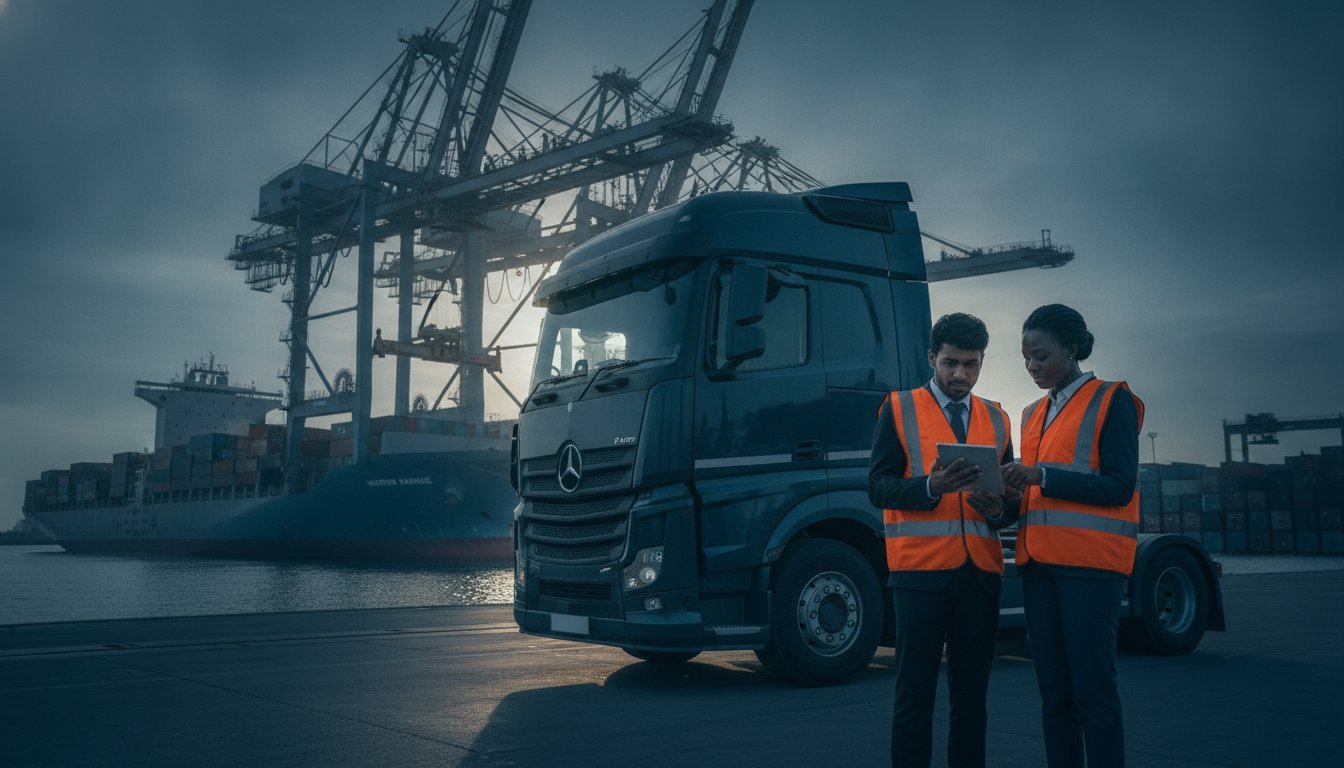
Selecting the lowest quote for your transport requirements often costs more in the long run through missed delivery windows and unexpected surcharges. When choosing a container haulage partner, the priority must be operational discipline rather than just the initial rate. You've likely experienced the disruption that occurs when a lack of transparency or a failure in communication between major UK hubs leads to a stalled supply chain.
We understand that a secure transport operation relies on more than just moving boxes. It requires a steadfast approach to optimise port-to-door efficiency and a partner who understands the high stakes of the maritime sector. This guide outlines the criteria needed to secure your supply chain and ensure your goods move reliably from port to warehouse.
You'll discover how to evaluate nationwide coverage, the importance of a modern fleet, and how to verify a haulier's expertise in both merchant and shipping line haulage. This structured overview will help you transition from a simple service arrangement to a strategic partnership that prioritises results and professional consistency.
Key Takeaways
- Understand why a reliable haulage partner serves as the critical link between maritime arrival and inland distribution, directly affecting your inventory turnover.
- Learn the technical criteria for choosing a container haulage partner, including how to evaluate fleet capability and environmental compliance for consistent results.
- Identify the operational differences between Merchant and Shipping Line haulage to determine which model best serves your specific logistics requirements.
- Recognise the essential insurance and safety protocols required to protect high-value cargo and ensure full compliance across the UK transport network.
- Discover how nationwide coverage from major maritime hubs like Felixstowe and Southampton facilitates a more responsive and efficient port-to-door operation.
The Strategic Importance of Your Container Haulage Partner
Container haulage represents the final, critical stage of the global containerization system within the UK. It serves as the physical link between high-volume maritime arrivals and precise inland distribution. For many operations managers, choosing a container haulage partner is a decision that dictates the stability of the entire supply chain. A failure at this stage doesn't just delay a single box; it creates a cascade of inefficiencies that impact everything from warehouse labour scheduling to customer fulfilment.
Defining the Role of Road Haulage in Logistics
The transition from sea freight to road transport occurs at the port gate. At this point, the complexity of logistics shifts from global transit to local precision. Professional management is required to coordinate these movements across congested UK hubs. Road haulage is the backbone of UK inland container distribution. Effective haulage ensures that the momentum of international trade is maintained through to the final delivery point, providing a seamless bridge between the quay and the warehouse.
The Impact of Haulage Reliability on Supply Chain Health
Reliability directly influences inventory turnover and the overall health of your business. When a haulier fails to collect a container on time, the financial repercussions are immediate. Delays often result in significant demurrage and detention fees, which are avoidable costs that erode profit margins. Functional reliability is a core requirement for any transport operation. On-time deliveries prevent warehouse bottlenecks, ensuring that staff and equipment are utilised efficiently. This consistency protects your reputation with end customers and maintains a steady flow of goods.
A disciplined haulage partner functions as a strategic extension of your own operational framework. They mitigate the risks associated with "weak links" in the logistics chain, such as port congestion or failed collection slots. By prioritising competence and punctuality, a partner like Jagelo Haulage provides the security needed to manage high-stakes supply chain requirements. Choosing a container haulage partner with a proven track record ensures that your business remains resilient against the unpredictable nature of modern logistics.
Core Criteria for Evaluating Fleet Capability and Expertise
Assessing a potential partner requires a thorough examination of their physical assets and technical capability. Reliability is not a vague promise; it is a measurable outcome of investment and maintenance. When choosing a container haulage partner, you must look beyond the surface level of a service agreement to understand the infrastructure supporting your deliveries. A haulier's ability to maintain a consistent schedule depends entirely on the quality of their equipment and their command of port-specific protocols.
Fleet Modernity and Environmental Compliance
A modern fleet is the primary defence against mechanical breakdowns and the resulting supply chain delays. Vehicles that are well-maintained and regularly updated provide a level of operational security that older fleets cannot match. This is particularly relevant when considering the UK port freight statistics, which illustrate the high volume of traffic moving through major terminals. To manage this volume, a haulier must operate Euro VI compliant vehicles. This standard is essential for unrestricted access to UK Clean Air Zones and Low Emission Zones, preventing costly diversions or fines. Operating a fleet of over 40 trucks ensures capacity stability, allowing for the flexible reallocation of resources if emergency requirements arise.
Industry Expertise and Problem-Solving
Technical knowledge of port operations is as critical as the trucks themselves. Every major hub, from London Gateway to Southampton, operates under specific local protocols and booking systems. A haulier with 15+ years of industry experience possesses the deep-rooted knowledge required to navigate port congestion and peak-time bottlenecks effectively. They understand the nuances of VBS (Vehicle Booking System) slots and the importance of punctual arrivals to avoid wasted journeys. For instance, managing Reliable Container Haulage from Felixstowe requires a disciplined approach to timing and documentation that only comes from long-term exposure to the site's unique operational flow.
Your transport operation benefits from a partner who treats haulage as a strategic outcome. This involves using modern fleet management systems for real-time tracking, providing you with the transparency needed to plan your warehouse labour and inventory. When you are ready to secure a dependable transport link, you can request a bespoke haulage quotation to see how disciplined fleet management supports your business goals. Prioritising a partner with a proven track record in high-volume merchant haulage ensures that your goods remain in professional hands from the quay to the final destination.
Merchant vs Shipping Line Haulage: Selecting the Right Model
Choosing a container haulage partner requires a clear understanding of the commercial models available in the UK market. The decision between Merchant Haulage and Shipping Line Haulage determines the level of control you maintain over your inland logistics. Whilst one model offers administrative simplicity, the other provides the operational agility needed to manage complex supply chain requirements. For businesses that prioritise precision and responsiveness, the distinction is significant.
The Benefits of Merchant Haulage for Cargo Owners
Merchant haulage occurs when the cargo owner appoints an independent haulier to manage the movement of goods from the port. This model is often preferred by operators who require a tailored delivery schedule. It provides greater transparency in container transport costs, as you negotiate directly with the provider rather than accepting a bundled through-rate from a carrier.
Direct communication is a primary advantage of this approach. You can speak directly with transport managers to facilitate same-day adjustments or emergency requirements. This level of access allows you to prioritise specific containers based on urgent warehouse needs, ensuring that high-priority stock reaches the shelves without delay. A disciplined haulier manages these movements with a focus on functional reliability, protecting your operation from the bottlenecks often associated with more rigid transport models.
When to Utilise Shipping Line Haulage
Shipping line haulage involves the carrier organising the entire transport process as part of their service. This model is generally suitable for businesses with low-volume or non-urgent requirements where administrative ease is the priority. The carrier handles the booking and coordination, which reduces the workload for your internal team. However, this convenience comes with a trade-off. You typically lose direct control over delivery windows and have limited influence over which haulier is assigned to your cargo.
Regardless of the model chosen, all parties must ensure that equipment and handling procedures comply with the Freight Containers (Safety Convention) Regulations. These statutory requirements ensure that containers are safe for transport and undergo regular examination. When choosing a container haulage partner, you should assess whether their expertise aligns with your need for either administrative simplicity or strategic control. For a more detailed breakdown of these choices, you can read our Merchant Haulage vs Shipping Line Haulage comparison. Selecting the right model ensures that your transport operation remains a disciplined and effective component of your broader business framework.
Operational Security: Compliance, Insurance, and Risk Management
The security of your cargo relies on a structured approach to risk management. When choosing a container haulage partner, you must verify that their operational security matches the high value of your goods. A failure in compliance or insurance coverage can lead to unrecoverable losses and legal complications. Professional hauliers prioritise these fundamentals to ensure every container is protected from the quay to the warehouse. This discipline ensures that your supply chain remains resilient against unforeseen disruptions.
Insurance and Goods in Transit Cover
Standard haulage insurance limits may not provide sufficient indemnity for high-value containerised cargo. You must confirm that your partner holds comprehensive Goods in Transit cover specifically tailored for maritime container movements. Verifying this "fully insured" status before the first collection is a fundamental step in protecting your financial interests. Specialist cover is a technical necessity for secure port-to-door logistics. It provides the financial protection required when moving varied goods across the UK road network.
Health, Safety, and Driver Professionalism
Operational safety is a product of disciplined training and strict adherence to protocols. Driver CPC training ensures that every operator understands the weight distribution and securing requirements for varied container types. From July 1, 2026, all goods vehicles over 2.5 tonnes used for international transport must be fitted with Smart Tachograph Version 2 (ST2). A disciplined partner ensures all equipment meets these updated standards. All HGVs over 12 tonnes must also hold a valid safety permit to operate in Greater London to avoid a £550 penalty. Disciplined protocols at the port gate prevent delays and administrative errors that often arise from incomplete documentation.
Responsiveness is a critical component of a secure operation. Your business may require emergency or same-day deliveries to resolve unforeseen bottlenecks. A partner with nationwide reach and a modern fleet can reallocate resources quickly to meet these demands. You should look for a haulier that offers direct access to transport managers, ensuring that your queries are handled with professional urgency. To ensure your cargo is handled by a disciplined specialist, request a detailed haulage quote today. This step secures a partner who treats safety and compliance as strategic outcomes rather than mere checkboxes.
Establishing a Long-Term Logistics Partnership with Jagelo Haulage
Choosing a container haulage partner is a decision that extends beyond immediate transport needs. It is an investment in the long-term resilience of your supply chain. For businesses operating in the UK maritime sector, Jagelo Haulage provides a foundation of steadfast professionalism and functional reliability. With over 15 years of industry experience and a modern fleet of more than 40 trucks, we deliver the disciplined management required to protect your operational interests. We understand that our performance as a haulier directly reflects your commitment to your own customers.
Nationwide Reach from Major UK Maritime Hubs
Strategic logistics requires a partner with the capacity to operate across all primary points of entry. Jagelo Haulage provides comprehensive nationwide coverage from the UK's most significant maritime hubs, including Felixstowe, Southampton, Tilbury, and London Gateway. This broad operational reach ensures that your containers move efficiently regardless of the port of arrival. Our expertise encompasses both merchant and shipping line haulage, allowing us to adapt to your specific commercial requirements with ease.
Having a single, competent partner across multiple hubs simplifies your administrative burden and ensures a consistent standard of service. This uniformity is essential for maintaining a predictable flow of goods to your inland destinations. For a deeper understanding of how these movements are coordinated, you can review our guide on Logistics for Shipping Containers. Our presence at these major ports allows us to manage complex port-to-door movements with the precision that modern supply chains demand.
The Jagelo Haulage Standard: Competence and Consistency
The Jagelo Haulage standard is defined by a no-nonsense, functional approach to transport. We do not prioritise marketing claims; we prioritise results. Our operations are built on the fundamentals of punctuality, strict adherence to safety protocols, and clear communication. This methodical rhythm mirrors the reliability of the physical transport itself, providing you with the security of a protected outcome. We treat every delivery as a strategic task that requires professional discipline and technical expertise.
Responsive customer support is a core component of our service. Our team understands the high stakes of the supply chain and provides the direct assistance needed to manage same-day requirements or emergency adjustments. When choosing a container haulage partner, you are selecting an entity that will act as an extension of your own brand. We invite you to experience a partnership built on competence and long-term stability. You can contact our transport team to request a professional consultation and secure a haulage solution that prioritises the efficiency of your operations.
Securing Your Supply Chain Through Professional Haulage
A resilient supply chain depends on the technical capability and operational discipline of your transport provider. Fleet modernity and strict adherence to safety standards are not optional; they are the benchmarks for professional consistency. Whether you require the control of merchant haulage or the simplicity of shipping line arrangements, your partner must possess the deep industry knowledge required to navigate complex UK port protocols effectively.
Jagelo Haulage offers the stability of 15+ years of industry expertise and a modern fleet of over 40 trucks. Our nationwide port coverage ensures that your operations remain efficient across every major maritime hub. When choosing a container haulage partner, prioritising competence over the lowest quote protects your business from the hidden costs of delays and non-compliance. This strategic approach ensures that your goods move reliably from the quay to the warehouse every time.
You can contact Jagelo Haulage for a reliable transport solution that secures your goods and optimises your delivery schedule. We look forward to supporting your long-term logistical success.
Frequently Asked Questions
What is the difference between merchant and shipping line haulage?
Merchant haulage involves the cargo owner appointing an independent haulier, whilst shipping line haulage is managed by the carrier as part of a through-rate. Choosing merchant haulage provides greater transparency and direct control over your delivery windows. This model allows for immediate coordination with transport managers to prioritise urgent warehouse requirements, ensuring that your inland logistics remain flexible and responsive to changing business needs.
How do I choose the best container haulage company in the UK?
Focus on providers that demonstrate operational discipline, fleet modernity, and deep expertise in port-centric logistics. When choosing a container haulage partner, you should assess their ability to navigate specific hubs like Felixstowe or London Gateway effectively. A partner with 15 or more years of experience understands how to manage port congestion and VBS booking slot complexities to maintain a consistent delivery schedule.
What insurance should a container haulage partner have?
A reliable partner must hold comprehensive Goods in Transit insurance and public liability cover as standard. These policies should be specifically rated for high-value containerised cargo to ensure full financial protection during every stage of transit. You should always verify these insurance certificates before the first collection to confirm that the cover meets your specific risk management standards and provides adequate indemnity.
Do haulage companies provide same-day container delivery?
Availability for same-day delivery depends on current vehicle capacity and the availability of port booking slots at the specific terminal. Professional hauliers with a large fleet of over 40 trucks can often reallocate resources to meet emergency requirements or urgent collections. Responsive customer support is essential for coordinating these time-sensitive movements between the port and your final destination without compromising on safety protocols.
Which UK ports do professional haulage partners typically serve?
Professional haulage partners typically serve all major UK maritime hubs to provide comprehensive nationwide coverage for their clients. This includes the Port of Felixstowe, Southampton, London Gateway, and Tilbury. Serving these hubs allows a haulier to manage the inland distribution of goods regardless of which port the shipping line utilises, providing a consistent and stable transport link across the entire UK.
How does a modern fleet improve container transport reliability?
A modern fleet reduces the likelihood of mechanical breakdowns and ensures compliance with the latest UK environmental regulations and emission standards. Vehicles meeting Euro VI standards can enter Clean Air Zones and Low Emission Zones without incurring penalties or requiring costly diversions. This technical reliability is essential for maintaining the punctual delivery schedules required by disciplined and highly organised supply chain operations.
Can a haulage partner help with both 20ft and 40ft containers?
Yes, professional hauliers utilise specialised skeletal trailers that are fully adjustable for different container lengths and heights. This equipment can securely transport standard 20ft, 40ft, and 45ft high-cube containers across the UK road network. This versatility ensures that your transport partner can handle varied cargo volumes and different container types within a single, professionally managed and disciplined transport operation.
What information do I need to provide for a container haulage quote?
You should provide the container size, the specific port of arrival, the delivery postcode, and the total gross weight of the cargo. It's also helpful to specify whether you require merchant or shipping line haulage and any site-specific access restrictions. This data allows the transport team to calculate an accurate quote based on distance, equipment requirements, and current operational costs for the route.