Part of our guide to container haulage from Tilbury
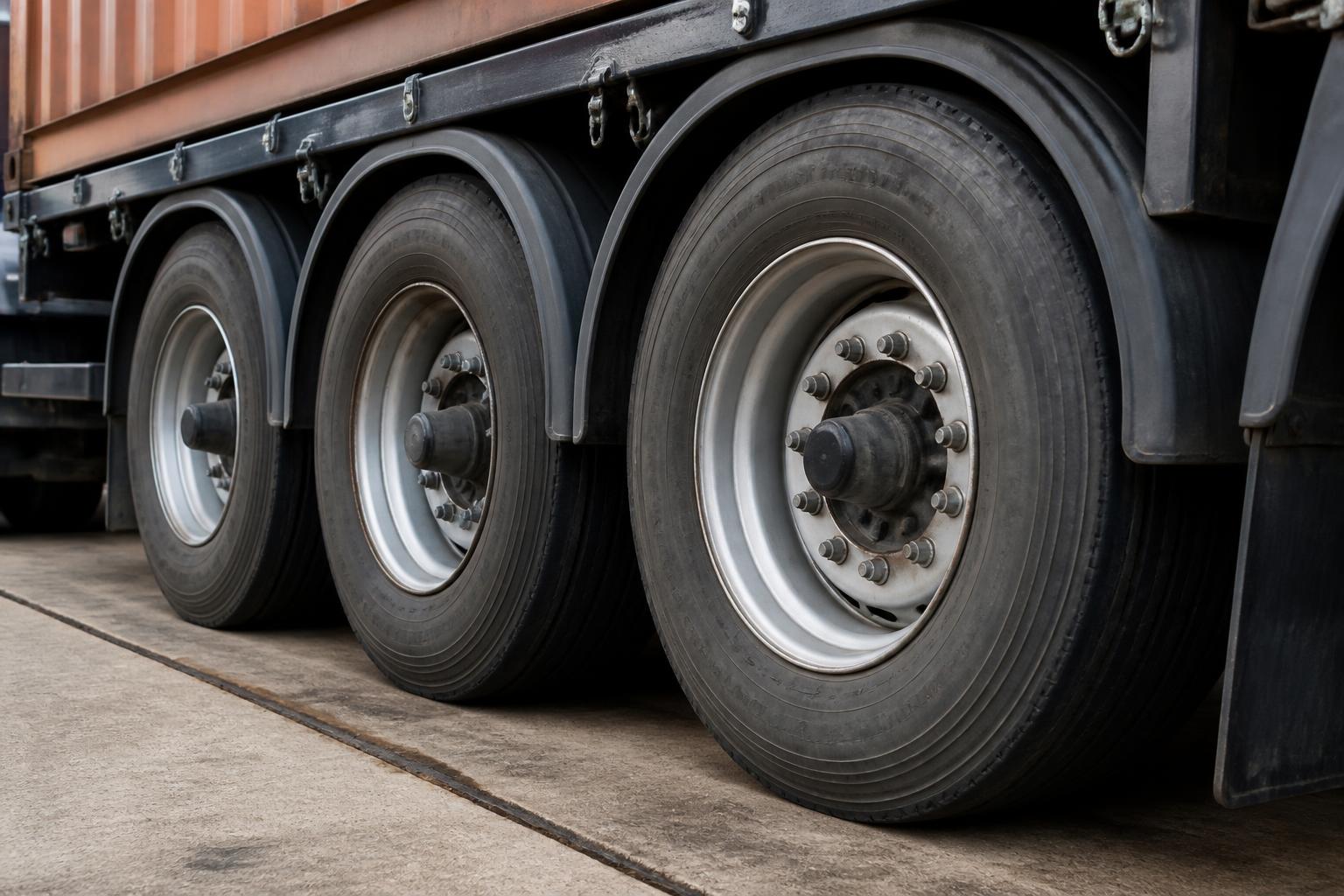
An overweight container out of Tilbury is not just a normal port collection with a heavier payload. The plan changes from the first check. Before we book a slot, we need to know the gross weight, the container size, the likely axle loading on the intended trailer, the delivery postcode, and whether the box can move intact on UK roads without breaching weight or route limits. If those checks are left until the driver is at the port, the usual result is a failed collection, waiting time, or a box left on the quay while storage risk builds.
For importers and forwarders, the practical point is simple. Overweight container haulage from Tilbury needs the road move planned around legal weight, equipment and route from the start, not after the release is in place. We handle that planning before the collection is committed, so the decision is made early whether to move the unit as loaded, send specialist equipment, or change to a split-load plan.
What changes when a container from Tilbury is overweight
A standard merchant haulage job from Tilbury usually starts with release, customs clearance, available free time, and a booking through the relevant port system. The haulier checks the container number, size, line, collection reference, delivery point and date, then books the slot and allocates a tractor and trailer.
With an overweight box, the first operational checks are different.
The gross container weight matters, but it is not the only number that decides whether the move works. We also need to consider:
- container type, such as 20ft ISO Container, 40ft ISO Container or 45ft ISO Container
- declared cargo weight and whether it looks consistent with the commodity
- tare weight of the specific unit if available
- likely kingpin and axle distribution once the box is on the trailer
- whether the delivery point has access constraints that force a longer or less direct route
- whether the consignee can receive the box promptly, or whether a loaded wait is likely
- whether the cargo could be devanned near the port instead of moved intact
In practice, the 20ft box is where most overweight issues arise. A dense cargo in a 20ft ISO Container can be within the container's structural limit but still create road weight problems because the load is concentrated over a shorter footprint. A 40ft ISO Container or 45ft ISO Container can also be overweight for road purposes, but the pattern is different and the axle distribution can be easier to manage depending on the cargo and trailer.
For UK road moves, we plan to the legal gross vehicle and axle limits that apply here, not to a generic EU assumption. That matters because people often look at the container gross on shipping documents and assume the road move will follow automatically. It does not. A container can be accepted into the marine leg and still require a different inland plan once it lands in Great Britain.
The document set also matters more on these jobs. We will usually want the release status, customs position, container size and gross weight confirmed before committing to the collection. If the weight on the paperwork is uncertain, or if the commodity suggests the declared figure may be light, that needs resolving early. A haulier who books first and checks later is taking avoidable risk with your free time.
Tilbury collections also need proper timing discipline. If the box is only just becoming available and the weight position is unclear, rushing to book the first slot can be the expensive choice. A same day move only works when the release, route, equipment and delivery window line up. Where that is realistic, we plan it accordingly, and where it is not, we say so before port and driver time are wasted. We cover that in more detail in our guide to same-day Tilbury container collection without missed slots.
Comparing the main haulage options for overweight boxes
There are usually three realistic ways to deal with an overweight import container at Tilbury.
The first is standard merchant haulage, but only where the box is heavy rather than genuinely overweight for the intended road move. If the gross weight, container size, trailer type and route all work legally, then the job can still move in the normal way. This is the simplest option operationally. One collection, one delivery, no cargo handling, and fewer parties involved. For the importer, it usually means less coordination and less cargo risk.
The trade-off is that this option only works when the numbers really do work. A standard allocation is not a cure for a bad weight plan. If the box is beyond what can be moved lawfully on the intended setup, the job fails at the port gate or has to be stood down before collection.
The second option is a specialist heavy container move. That means using the right tractor and trailer combination, checking axle loading properly, and planning the route around any restrictions. This is the right answer where the container can move intact, but only with equipment and planning beyond a routine port collection.
This is often the best route when the consignee needs the sealed FCL box delivered intact and has the means to unload it quickly. It avoids the extra handling that comes with devanning and keeps the cargo in one chain of custody. The trade-off is that specialist equipment is finite, route planning takes time, and the booking window can be narrower. If the importer waits until the last free day to mention the weight, the choices become more expensive very quickly.
The third option is to split the load. That may mean taking the container to a devanning point, stripping part or all of the cargo, and completing the inland delivery as separate loads. For some dense cargoes, this is the only sensible option. If the box cannot move legally as loaded, or if the delivery point cannot accept the vehicle needed for the intact move, splitting the load can prevent repeated failed attempts.
The trade-off here is obvious. Split-load work adds handling, labour, warehouse coordination and another transport stage. It can be the right commercial decision, but it is not a simple substitute for intact container haulage. The goods may need palletising, reworking or stock checks. If the cargo is in bags, drums or loose cartons, the unloading method needs agreeing before the port collection is booked.
There is also a difference between FCL and LCL thinking on these jobs. With FCL, the question is usually whether the sealed unit should move intact or be devanned. With LCL, the cargo is already in a shared handling model, so splitting is often built into the process. But many overweight Tilbury cases involve dense FCL cargo in a 20ft ISO Container, where the importer expected a normal door move and only discovers the issue once the line paperwork is reviewed.
Where the cargo is temperature-sensitive in a Refrigerated Container, the decision becomes more constrained. A split-load plan may still be possible, but temperature control, power arrangements and unloading sequence all need to be thought through in advance. If that applies, our note on how temperature control works in a Refrigerated Container is worth reading alongside the road planning.
Where costs and delays usually appear
The biggest avoidable costs on overweight Tilbury work usually come from decisions made too late.
A failed collection is one of the most common. The box is available, the slot is booked, the driver attends, and only then does it become clear that the weight, equipment or route does not work. At that point you may face wasted haulage, a rebooking requirement, and pressure on free time. If the line's last free day is close, storage or demurrage risk follows behind it.
Waiting time is another regular issue. Heavy boxes often need tighter coordination at both ends. If the terminal release is not fully in order, or the delivery site is not ready to tip the container promptly, the vehicle can lose time very quickly. On standard jobs there is sometimes room to absorb that. On overweight work, where specialist equipment and tighter planning are involved, waiting time is more damaging.
Redelivery costs also appear when the first plan was wrong. A consignee may agree to receive the box, then realise on the day that the unloading point is unsuitable for the vehicle sent, or that unloading will take longer than expected. If the container has to be taken away loaded and represented later, the cost and complexity rise immediately.
Storage risk at Tilbury is often the result of uncertainty rather than outright delay. The release may be in place, but the importer is still deciding whether the box can move intact. Every day spent deciding is a day closer to chargeable time. That is why we prefer to review the weight and route position before the collection day is fixed.
There can also be hidden cost in poor communication between the importer, forwarder, customs agent and haulier. If one party is working from a different gross weight, or if the commodity details are incomplete, the move may be planned on the wrong basis. The solution is not more messages, it is earlier confirmation of the few facts that actually decide the job.
For Tilbury specifically, port booking discipline matters. Depending on the terminal process and timing, the slot needs to reflect a realistic collection plan, not an optimistic one. If the box is on the edge of what can move, the right approach is to resolve that before using a collection slot that may need to be changed later. On related jobs, our guides to moving overweight containers without port delays and how container haulage avoids port storage and delay set out the same principle from different angles.
What to check before you book a haulier
If you are booking overweight container haulage from Tilbury, the right questions are practical.
First, ask what equipment the haulier will actually use. Not every operator set up for general port work is equipped for heavy container moves. You want to know whether the move will be done on the haulier's own fleet, what trailer types are available, and whether there is a clear process for checking axle loading before the job is committed. At Jagelo Haulage Limited, we run 40 vehicles and 40 trailers on operator licence OF2023521, with vetted partner hauliers on their own operator licences for additional volume where needed.
Second, ask how the route will be checked. "Can you collect it?" is not the same question as "Can you collect it and deliver it legally to this postcode on this equipment?" For overweight moves, route planning is part of the service, not an afterthought.
Third, ask who is handling the port booking and what system is involved. Different ports have different booking processes. Some readers will know Felixstowe through CARGOES VBS and the Container Booking System, often shortened to CBS. Tilbury does not use the same process as Felixstowe, so assumptions carried over from one port to another can cause mistakes. The point is to confirm that the haulier understands the actual booking workflow for the collection port in question, whether that is Tilbury, London Gateway, Purfleet, Southampton or Liverpool.
Fourth, ask what happens if the box cannot move as first planned. A useful answer includes the fallback options. Can the haulier identify the issue before dispatch? Can they help arrange a split-load plan if needed? Will they tell you early enough to protect free time?
Fifth, check liability. Overweight jobs often involve dense, high-value cargoes, and the standard market assumption on freight liability is not always enough. Our cover is £6,500 per tonne under RHA 2024 conditions, including subcontracted loads on the same basis, with up to £10,000 per tonne available by arrangement for higher value freight. That is materially different from the usual RHA default and worth confirming before you book any heavy import move.
Sixth, ask how updates will be given on the day. On these jobs, silence is expensive. You need to know when the vehicle is committed, when the box is collected, and if anything changes that could affect free time or delivery. A clear update chain matters more than a polished portal.
Finally, if the cargo has a regulatory angle, confirm that too. If the container holds animal feed, Category 3 material, or waste-related cargo, the haulier's registrations may matter to whether the move can proceed without last-minute issues. We are an upper tier waste carrier and dealer, CBDU471791, and are registered with APHA to carry Category 3 animal by-products and animal feed in shipping containers, quay to premises, U1433815/TRANS.
When Tilbury is the right port and when another plan is better
Tilbury is the right port when the shipment's inland plan works from Tilbury, not just when the vessel calls there.
If the container can move legally and efficiently from Tilbury to the delivery point, then keeping the box intact is often the cleanest answer. That is especially true when the consignee wants a sealed FCL delivery, has suitable unloading capability, and the route is straightforward enough for the required equipment. In those cases, the goal is simple, collect within free time, avoid failed attendance, and deliver without unnecessary handling.
Tilbury may also be the right choice when the importer needs coverage across multiple ports and wants one haulage process across Tilbury, Felixstowe, London Gateway, Purfleet, Southampton and Liverpool. Consistency in booking, updates and exception handling can matter as much as the port itself.
Another plan is better when the road move from Tilbury is the weak point. If the box is too heavy to move intact to the final destination, or if the consignee site cannot accept the vehicle that would be needed, then insisting on an intact haulage plan usually creates cost rather than solving it. In those cases, devanning near the port, reworking the cargo into separate road loads, or changing the inland delivery model is normally the better decision.
It can also be better to change the plan before collection if the timing is already tight. An overweight box with uncertain paperwork, limited free time and a restricted delivery site is a poor candidate for improvisation. The earlier the move is re-planned, the more chance there is to avoid storage, redelivery and wasted transport.
The same applies when the shipment profile suggests the issue will repeat. If you regularly import dense cargo by FCL and the same commodity keeps arriving in units that are awkward for UK road limits, the answer is not to fight the same problem every landing. It is to change the booking or packing plan upstream where possible, whether that means different container sizes, different cargo distribution, or a pre-agreed devanning model based on weight per CBM and delivery site constraints.
For overweight container haulage at Tilbury, the best outcome usually comes from making the hard decision early. Move the box intact if the legal weight, equipment and route support it. Use a specialist heavy move where that is the right answer. Split the load when the road move does not stack up. What costs money is not choosing one of those options, it is pretending they are all the same until the driver reaches the port.
What counts as an overweight container at Tilbury?
Usually a box whose gross and axle distribution cannot move as a normal road load on a standard skeletal trailer. The issue is often axle weight, not only the total shown on the container.
Can any container haulier collect an overweight box from Tilbury?
No. The haulier needs suitable equipment, a workable route and a plan for the delivery point. A standard port collection setup may not be enough for a heavy container.
Is it cheaper to devann an overweight container near the port?
Sometimes. If the intact move needs specialist equipment, permits or a difficult route, devanning and delivering the cargo separately can cost less overall. It depends on cargo type, timing and site access.
What information should I send for an overweight haulage quote?
Send container size, gross weight, commodity, collection port, delivery postcode, any site restrictions, and whether the box is a 20ft ISO Container, 40ft ISO Container or 45ft ISO Container.
Does freight liability change on heavier containers?
The cover level should be checked, especially for high-value cargo. Jagelo Haulage Limited states freight liability of £6,500 per tonne under RHA 2024 conditions, including subcontracted loads.