Part of our guide to container haulage from Felixstowe
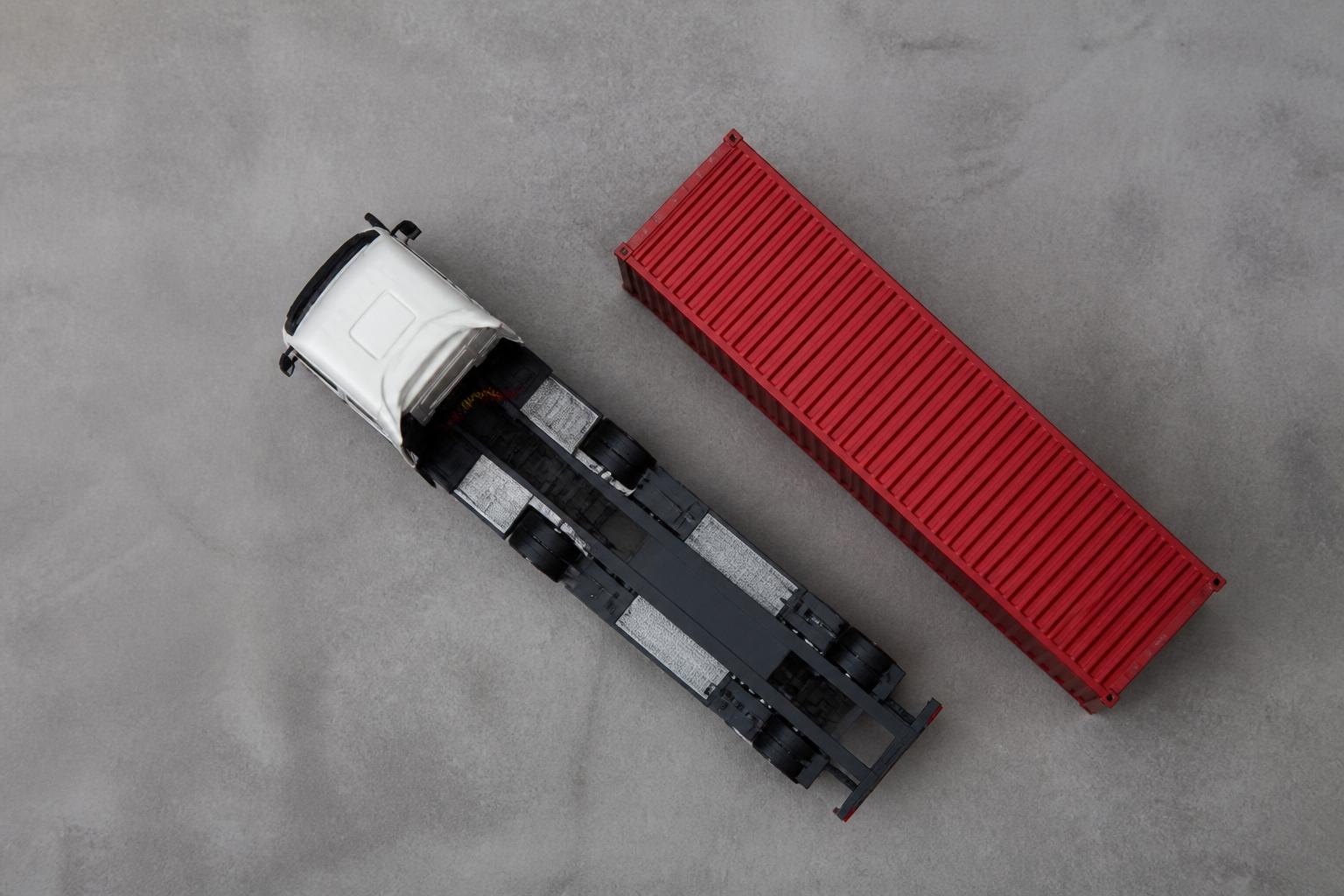
When a container has to come out of Felixstowe quickly, the job is not just about finding the next available vehicle. It is about lining up release status, booking windows, driver access, the right trailer, and a delivery plan that still works if the port runs slower than expected. That is what urgent container haulage from Felixstowe usually comes down to in practice.
At Jagelo Haulage Limited, we handle urgent collections when import cargo cannot sit in the port, when a production line is waiting, when a customer has a fixed unloading slot, or when a missed handover will create storage, detention, or knock-on transport problems. The difference between a routine move and a time-critical one is simple. Routine work gives more room for slot choice, planning, and fallback. Urgent work has to be right first time, with the operational detail confirmed before the driver is committed.
What urgent container haulage from Felixstowe usually involves
Urgent port collection work normally means a container needs to be collected at the earliest workable point after discharge and release, then moved straight to its delivery point or to an agreed interim location. In some cases it is same-day. In others it means next available collection with no unnecessary dwell time in the port.
The businesses that usually need this service are importers, exporters, freight forwarders, customs intermediaries, shipping and logistics operators, manufacturers, retailers, and distribution businesses. We also see urgent requirements where cargo has missed a planned delivery date, where warehouse labour has been arranged for a fixed time, or where equipment and stock are needed to keep a site operating.
A time-critical move differs from a standard booking in several ways.
First, the booking window is tighter. With a routine collection, we may have flexibility to collect later in the day or on the following day if that suits the port and delivery point better. With urgent work, the objective is usually to secure the earliest practical slot and keep the unit moving.
Second, document and release checks become more important. A routine booking can sometimes absorb a late release or a late warehouse confirmation. An urgent booking cannot. If the container is not properly released, or if the delivery point is not ready to receive it, the whole job can fail before the vehicle reaches the terminal.
Third, communication has to be faster and more direct. We need one clear chain of information from the customer to our traffic team, then to the driver and the receiving site. The less ambiguity there is, the better the result.
Urgent container haulage in Felixstowe is also different because the port environment itself is controlled. Collection is not just a matter of turning up. Access, vehicle booking, release status, and terminal processes all affect whether the container can actually leave when planned. That is why we treat urgent work as an operational exercise, not simply a transport request. If you want a wider view of what creates delay before the truck even reaches the gate, our guide to urgent container collection without avoidable hold-ups covers the main pinch points.
What information needs to be ready before the job is booked
The fastest way to lose time on an urgent move is to start with incomplete details. Before we book the job, we need the key operational information in a form we can act on immediately.
The first item is the container identity and size. That means the container number and whether we are moving a 20ft ISO Container, 40ft ISO Container, or 45ft ISO Container. Vehicle and trailer allocation depends on this. Weight distribution, route suitability, and delivery site access can all change with container size.
We also need the shipping and port references required to identify and collect the unit. Depending on the move, that may include booking references, line references, release references, and any collection PIN or equivalent instruction passed through the chain. If customs clearance is part of the release path, we need to know that status too.
The delivery point must be confirmed in full. That includes postcode, site name, opening hours, contact name, and a direct unloading contact if there is one. On urgent work, we also ask practical questions that save time later. Is there room for an articulated vehicle? Is side access restricted? Is there a booking-in procedure? Is forklift or crane offload available? If the site has a strict slot system, we need the actual unloading time, not just a general request for afternoon delivery.
Cargo details matter as much as the container details. We need the gross weight, a basic description of the goods, and any handling constraints. For groupage or part loads, it helps to know whether the movement is FCL or LCL related, and if the customer is working to a volume plan in CBM for unpack or onward distribution. Even where the move itself is one sealed container, that information can affect the urgency and the unloading arrangement.
Timing has to be defined properly. "ASAP" on its own is not enough to plan a compliant and successful move. We need to know the actual deadline. Is the priority same-day collection, same-day delivery, next morning arrival, or simply removal from the port before storage or detention exposure increases? Those are different jobs operationally.
For urgent bookings, we also need to know whether there is any flexibility if the port queue lengthens or if the release lands later than expected. If there is a latest acceptable delivery time, tell us at the start. It is better to build the move around a real deadline than to discover one after the driver is already committed.
How port access and collection timing affect the move
At Felixstowe, a container can only be collected once the release position is correct and the collection process is live in the terminal systems. That is the first point to check on any urgent move. If the unit has not been released by the shipping line or the necessary customs and clearance steps are not complete, no amount of road planning will make the collection happen.
The next piece is the vehicle booking. CARGOES VBS is central to planning collection timing. It controls the booking of vehicle slots, and those slot positions affect when a driver can enter the port for collection. On urgent work, slot availability can be the difference between a same-day recovery and a next-day movement. We therefore check release status and slot options together, because a slot without release is wasted, and a released unit without an achievable slot may still miss the required delivery.
Driver access also has to be in order. Port entry depends on the driver and vehicle meeting the terminal access requirements. That sounds basic, but in urgent work it matters because there is no spare time to correct avoidable admin issues. A clean handover of job details to the driver reduces the risk of gate problems and keeps the move aligned with the booked window.
Delays can arise at several stages. A container may not yet be physically available despite expected discharge. Release may be held up. The booked slot may be later than hoped. There may be congestion on approach roads or within the terminal process. The receiving site may move its unloading slot. In the UK, these practical terminal and road conditions often matter more than any theoretical transit time on a map.
This is also where the UK context matters. Port collection work here is shaped by local terminal systems, line release practices, and domestic road restrictions, not by a single EU-wide operating rule. Customs and border processes can interact with the move, but the actual success of the collection usually depends on the UK port and road chain being aligned properly on the day.
When we manage urgent collections, we work from the live status of the move, not assumptions. We confirm the release position, secure the best workable slot through CARGOES VBS, and keep the customer informed if the terminal status changes. If you are comparing options quickly, our article on who can collect containers from the port and what has to be in place explains the collection chain in practical terms.
Which container types and cargo requirements change the plan
Not every urgent container move can be treated as a standard box on a standard trailer. Container type and cargo characteristics often change the entire plan.
For standard ISO containers, the basic distinction is usually between a 20ft ISO Container, 40ft ISO Container, and 45ft ISO Container. Each has different operational implications for chassis choice, weight distribution, delivery site access, and route planning. A 20ft unit carrying dense cargo may create a weight issue even where the box itself is small. A 45ft unit may fit the cargo requirement but create tighter access constraints at the delivery point.
A Refrigerated Container adds another layer. Reefer work can be urgent not just because of delivery timing, but because cargo integrity depends on correct temperature management throughout the move. We need to know whether the container must remain powered before collection, whether genset support is required in transit, what the set point is, and whether the receiving site is ready to take the unit immediately. Delays that might be tolerable on a dry box can be much more serious on temperature-controlled cargo.
Oversized loads need separate planning again. If the movement involves out-of-gauge cargo or equipment that changes the standard transport profile, trailer selection, route checks, and in some cases permit considerations come into play. Delivery sites also need to be assessed more carefully for turning space, unloading plant, and any local restrictions. For heavy units, axle weight and route suitability become critical. If weight is likely to be the issue rather than the external dimensions, our overview of moving overweight containers without unnecessary port delay sets out the practical considerations.
A Hazardous Goods Requirement changes the move further. In the UK, dangerous goods road transport must be handled in line with the applicable ADR framework as implemented domestically, along with any port and site-specific conditions. That means the correct load information, classification, documentation, placarding requirements where applicable, and a vehicle and driver setup suitable for the consignment. We need the dangerous goods details early, because they affect planning, equipment, and legal compliance from the start. On urgent work, late disclosure of hazardous cargo is one of the fastest ways to stop a job from moving.
Even where the cargo itself is straightforward, the unpack plan may affect the transport decision. An FCL movement to a distribution centre is different from a container that will be stripped into multiple LCL consignments on arrival. If the receiving site is working to a strict warehouse sequence based on pallet count or CBM, we need to know that so the delivery timing matches the actual operational need.
How onward delivery is managed once the container leaves Felixstowe
The job is not finished when the container clears the port gate. For urgent work, onward delivery has to be managed just as tightly as the collection, because the value of a fast port pickup is lost if communication breaks down on the road or at the delivery point.
We run urgent moves on tracked and insured transport so the container remains visible and protected through the road leg. Tracking matters because customers often need live progress updates for warehouse planning, labour allocation, or customer handover. Insurance matters because urgent cargo is often commercially sensitive, high value, or tied to a fixed operational deadline.
Communication is part of the service, not an afterthought. Once the container is collected, we keep the customer updated on departure, transit progress, and expected arrival. If the delivery point changes instructions, if site access turns out to be tighter than advised, or if road conditions affect ETA, we deal with that in real time. A fast collection without responsive communication is only half a solution.
Nationwide routing is also important. Felixstowe traffic does not always stay local to Suffolk. Many urgent loads are heading into the Midlands, London, the North West, Scotland, or cross-country into production and distribution sites that cannot wait for a standard planning cycle. We support movements not only through Felixstowe but also through DP World Gateway, Tilbury, Southampton, and Liverpool, with nationwide port coverage when the cargo flow requires it. That matters for operators who need one haulage partner across multiple ports rather than a different process each time.
Secure delivery also depends on matching the road leg to the receiving site. Some destinations can accept the container immediately. Others need timed arrival because yard space is limited or unloading resources are booked by the hour. On urgent work, we confirm those conditions before the truck is dispatched wherever possible. That reduces waiting time, failed delivery attempts, and unnecessary diversions.
Where a move needs extra support after collection, we build that into the plan. That may include delivery sequencing, interim holding by arrangement, reefer monitoring, hazardous load controls, or a route chosen to suit a difficult destination rather than simply the shortest mileage. The point is to move the container in a way that protects the delivery outcome, not just to get it off the quay.
At Jagelo Haulage Limited, our role in urgent container haulage from Felixstowe is to make the collection workable at port level and dependable on the road afterwards. That means getting the release and booking position right, using the right vehicle for the container and cargo, and keeping the delivery leg under control all the way to site. When timing matters, those details are what turn an urgent request into a completed move.
How quickly can urgent container haulage from Felixstowe be arranged?
It depends on container release, slot availability, vehicle allocation and delivery location. A haulier can move faster when the booking details and collection references are complete from the start.
What details should I send for a same-day container collection?
Send the container number, size such as 20ft ISO Container or 40ft ISO Container, collection reference, port release status, delivery address, cargo type and any Hazardous Goods Requirement.
Can urgent jobs include refrigerated or hazardous containers?
Yes, if the haulier has the right equipment and compliance in place. Refrigerated Container moves and hazardous loads need the correct planning before collection is confirmed.
Is urgent haulage only for FCL movements?
No. Urgent work may support FCL or time-sensitive cargo linked to LCL movements, depending on how the goods are being collected, transferred and delivered.
Does tracked delivery matter for port haulage?
Yes. Tracking gives operators visibility once the container leaves Felixstowe and helps with delivery planning, customer updates and proof that the load is moving as scheduled.