Part of our guide to container haulage from Tilbury
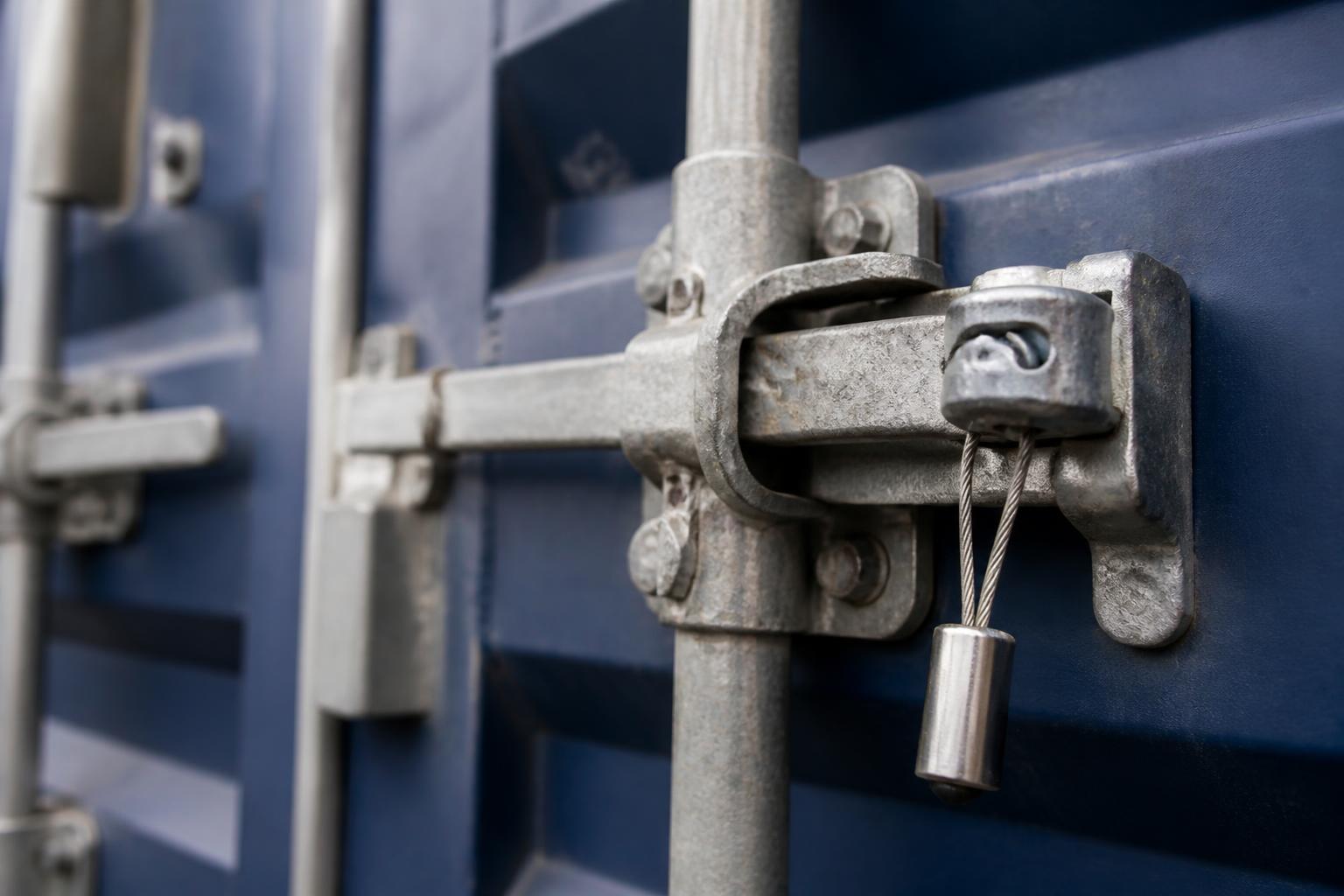
If you are choosing between hauliers for a controlled container collection at Tilbury, compare the booking process before you compare the rate. For hazardous container haulage from Tilbury, the difference between a workable move and an expensive one is usually not the line haul price. It is whether the haulier checks release, customs status, slot availability, free time and document readiness early enough to avoid a failed trip or a box rolling into storage and demurrage.
At Tilbury, that matters even more when the container is controlled cargo. The right haulier will want the UN number, hazard class, packing group where relevant, gross weight, container size, collection reference and delivery point before confirming the job. That is not admin for its own sake. It is how the move is assessed properly, booked properly and handed to the right vehicle and driver without surprises on the day.
What this comparison covers that a general hazmat article does not
A general article about dangerous goods road transport will tell you about ADR, placarding, paperwork and driver training. That is useful background, but it does not help much when you have a container at Tilbury that needs collecting against port free time and you have to decide today which haulier gets the booking.
What matters in that buying decision is operational handling at the port. Can the haulier take a merchant haulage job directly from you and manage the collection from release through to delivery? Do they understand the difference between a container that is physically available and one that is still blocked by customs status, line release or a port system issue? Will they book the slot themselves and tell you early if the move is at risk?
That is the gap this comparison is meant to fill. We are not trying to explain all dangerous goods law from first principles. We are focusing on how to compare hauliers for a real Tilbury job where the buyer already knows the trade and needs to place the booking with the least operational risk.
For UK readers, it is also worth keeping the legal frame in the right place. ADR applies in Great Britain through the Carriage of Dangerous Goods and Use of Transportable Pressure Equipment Regulations, as implemented in the UK. The broad ADR structure is familiar across Europe, but the booking, customs and port process is local. A haulier can understand ADR in general and still handle a Tilbury collection badly if they do not manage UK port process well.
What to compare before you book a Tilbury collection
Start with release and customs status. Before any sensible haulier accepts a controlled container move, they should ask whether the shipping line or carrier release is in place and whether customs is cleared, held or under review. If the entry is not in a collectable state, a quoted rate tells you very little. The real question is whether the haulier is checking the status that will decide whether a truck can actually turn up and lift the box.
Then compare how each haulier deals with the port booking process. At Tilbury, booking discipline matters. You want to know who is making the booking, what information they need from you, and how they handle changes if the status moves after the job is planned. If a haulier is vague about the booking sequence, that is a warning sign. We have set out the practical effect of this in our note on how Tilbury slot booking affects container collection risk.
Free time comes next. Ask each haulier what they need in order to plan against detention, demurrage and storage risk. A serious operator will ask for the last free day, the expected discharge or availability timing, and whether the container has already accrued any chargeable days. They should also tell you plainly if the collection window is tight. If they do not ask, they are probably pricing the road move only and leaving the port exposure with you.
For hazardous container haulage from Tilbury, the dangerous goods details should be requested before the job is accepted, not after the truck is allocated. At minimum, expect the haulier to ask for the UN number, class, any subsidiary risk, packing group if applicable, flashpoint where relevant, gross weight, and whether there are any special delivery restrictions at the receiving site. Some controlled loads also need the consignee address checked carefully for route or site constraints before the booking is confirmed.
Container type matters too. A haulier should confirm whether the unit is a 20ft ISO Container, 40ft ISO Container or 45ft ISO Container, and whether it is a standard dry box or a Refrigerated Container. They should also ask whether it is FCL or part of a wider movement involving LCL handling at another stage, even if the road leg itself is a full box move. If there is any out of gauge element, that is a separate planning point again. We have covered adjacent issues in our article on moving oversized containers from UK ports.
It is also worth checking whether the haulier wants the documents up front in a usable form. In practice that often means the collection reference, release evidence, customs status, container number, delivery instruction, dangerous goods information and any site specific booking requirement at destination. If a booking can only proceed once those are in place, that is normal. If a haulier is willing to “sort it later”, you may be buying a problem.
Finally, compare communication at the point of booking. Ask one simple question, what would stop this container being collected when planned? The stronger operator will answer with specifics, not sales language. They will talk about release, customs, slot availability, cut off timing, vehicle suitability and site readiness.
Why Tilbury process handling matters more than a low haulage rate
A low quote looks attractive until the first failed collection or missed free day. At Tilbury, process errors are often more expensive than the difference between two haulage rates. If the slot is booked on assumptions rather than confirmed status, the truck can arrive for a box that is not actually collectable. If the dangerous goods details are checked too late, the wrong equipment or driver allocation can hold the move up. If the release lands after the booking window has gone, the container may roll into the next day and with it into extra charge.
That is why we treat collection planning as part of the job, not an optional extra. The road leg is only one part of the cost exposure. Storage, demurrage, detention and failed collection charges can outweigh a cheaper line haul very quickly, especially where the free time position is already tight.
When you compare hauliers, ask how they handle timing around document readiness. Do they wait for all key items before allocating the move? Do they review whether the container can realistically be collected the same day? Do they tell you when a same day request is unlikely to work? We have written separately about whether your container can be collected from Tilbury today, because that decision is often made too casually.
The same point applies to destination planning. A controlled container should not leave the port with uncertainty about delivery access, site restrictions or receiving hours. If the vehicle reaches site and cannot tip because the booking was not aligned with the consignee, the problem does not disappear because the port collection succeeded. It simply moves downstream and creates more cost.
For buyers who move through several ports, it helps to compare whether the operator shows the same discipline elsewhere. Tilbury is one process environment. London Gateway, Purfleet, Felixstowe, Southampton and Liverpool each have their own booking rhythm and operational pinch points. A haulier handling ISO containers regularly across those gateways is usually better placed to spot risks early than one quoting a Tilbury job in isolation.
This is also where system familiarity matters. Some operators talk in generic terms about “the port system”. We prefer to be specific. Different ports work through different workflows and booking tools, and the practical handling changes with them. At Felixstowe, for example, planning revolves around the Container Booking System and CBS, with CARGOES VBS at the centre of slot management. That does not make Tilbury the same by another name. It makes the broader point that real port process knowledge is operational, not theoretical.
How to compare cover, subcontracting and responsibility
Once you are satisfied that a haulier can actually manage the move, compare liability and responsibility in writing.
Start with freight liability. Many buyers assume all UK hauliers carry the same level of cover because they trade on standard conditions. They do not. Under standard RHA conditions, the default liability position is often lower than shippers expect. Ask what limit applies per tonne and whether that figure is stated clearly in the haulier’s trading terms or booking confirmation.
Then ask the next question that is often missed. Does the same freight liability limit apply when the load is subcontracted? Some operators quote on their own terms but pass overflow work to another haulier on a different basis, leaving the customer to discover the difference only if there is a claim. If the move may be subcontracted, you want a direct answer on whether the same liability standard follows the load.
Responsibility for the booking should also be explicit. Who is booking the port slot? Who is checking release and customs status? Who is updating the ETA to delivery? Who tells you if the collection is at risk of missing free time? A good haulier will not hide behind loose wording such as “subject to port conditions” while leaving the actual control points undefined.
Subcontracting itself is not the issue. Most serious container operators use trusted partner capacity at peak points. The issue is whether that is controlled properly. Ask whether partner hauliers are vetted, whether they run on their own operator licences, and whether the principal haulier remains the point of management for the move. If a problem arises at the port gate or on route, you need to know who owns the fix.
For controlled cargo, also compare whether the haulier is set up for related compliance areas that may matter on your traffic. Depending on the commodity, that can include waste movements or animal by-product registrations in addition to dangerous goods competence. Not every Tilbury job needs those, but where they do apply, they need checking before the booking is placed, not after the container is on the quay.
When Jagelo Haulage Limited is the right fit for a Tilbury move
We are the right fit when you want merchant haulage from Tilbury handled by a haulier that checks the collection risk early and says so plainly. We collect from Tilbury as part of our regular UK port work, alongside Felixstowe, London Gateway, Purfleet, Southampton and Liverpool, delivering across Great Britain.
Our work is mostly direct with importers and freight forwarders booking FCL container moves themselves. That means our process is built around the practical questions buyers need answered quickly. Is the box actually collectable? What is the free time position? What documents are still missing? Is the slot realistic? Is the delivery point ready for the container size and cargo type?
For hazardous container haulage from Tilbury, we ask for the operational details up front because that is how avoidable failures are prevented. If there is a risk around release, customs, timing or destination readiness, we would rather tell you before the truck is planned than after a collection has failed. That is the value in the booking, especially when the cost of getting it wrong sits outside the haulage rate.
We run 40 vehicles and 40 trailers of our own on operator licence OF2023521, with vetted partner hauliers on their own operator licences for additional volume where needed. Since 2019 we have moved more than 75,000 containers, about 13,000 a year. Our freight liability cover is £6,500 per tonne under RHA 2024 conditions, and the same limit applies on subcontracted loads. Where the cargo value requires it, up to £10,000 per tonne can be arranged in advance.
Where the traffic requires related registrations, we hold them. We are an upper tier waste carrier and dealer, CBDU471791, and we are registered with APHA to carry Category 3 animal by-products, animal feed in shipping containers, quay to premises, U1433815/TRANS. Those points do not replace dangerous goods planning, but they matter on the jobs where they apply.
If you are comparing options for a Tilbury collection now, look first at who will manage the process cleanly, not just who will quote the lowest number. Our approach is to give you a clear view of the move before you commit. If that is what you need, our guide to Tilbury container haulage without avoidable port cost is a good next step.
Can any container haulier take a controlled load from Tilbury?
No. Send the UN number and class and ask the haulier to confirm whether they can take it. Do not assume a port container operator will accept every controlled load type.
What should I send for a quote on a Tilbury controlled container move?
Send the container number, collection port, delivery point, weight, commodity, UN number and class, release position, customs status and any free time deadline that affects collection planning.
Is the cheapest Tilbury quote usually the best option?
Not always. A lower rate can cost more if the haulier does not manage booking, release checks or timing properly and the container then risks storage, demurrage or a failed collection.
What cover should I compare between hauliers?
Compare freight liability, the trading conditions used and whether the same limit applies if the move is subcontracted. Jagelo Haulage Limited states £6,500 per tonne under RHA 2024 conditions.
Does Jagelo Haulage Limited collect from Tilbury?
Yes. Jagelo Haulage Limited collects from Tilbury as one of the six ports it serves in Great Britain. Use the Tilbury page at /ports/tilbury-container-haulage/ for the port-specific service overview.