Why cargo tracking matters in shipping operations

Cargo tracking is defined as the continuous, real-time monitoring of shipments throughout every stage of the supply chain, from port departure to final delivery. For logistics managers and business owners operating in UK container shipping, it functions as the primary mechanism for maintaining security, operational transparency, and customer communication simultaneously. Technologies underpinning this discipline include GPS devices, electronic logging devices (ELDs), driver mobile applications, and trailer-mounted tracking units. Industry bodies such as the Digital Container Shipping Association (DCSA) are actively standardising how this data flows between carriers, freight forwarders, and shippers, making interoperability a defining feature of modern freight operations.
Why cargo tracking matters for shipping security
Cargo theft represents one of the most direct and measurable threats to freight profitability, and tracking technology is the most reliable countermeasure available to logistics operators today. The mechanism is straightforward: continuous location updates, combined with automated alerts triggered by unapproved stops or route deviations, compress the window between a theft event and an operational response. Earlier detection and faster escalation improve recovery odds significantly, which in turn reduces both claims frequency and total loss exposure for insurers and operators alike.
The practical impact of this approach is well documented. A Schneider case study from 2026 reports zero successful load thefts after implementing advanced tracking with automated notifications for unapproved stops, compared to a previous rate of two to four loads lost annually. That outcome represents a complete elimination of a recurring cost centre, not merely a marginal improvement. The system draws on multiple data sources simultaneously, including GPS devices, ELDs, driver cell phone applications, and trailer-based tracking systems, to construct a continuous picture of each load’s status.
For UK container haulage operators moving freight between ports such as Felixstowe, Tilbury, Southampton, and Liverpool, the risk profile is particularly acute during port dwell periods and overnight stops. Configuring alert parameters around these high-risk windows is where the technology delivers disproportionate value. Understanding early risk detection and how to act on it is as important as the technology itself.
Key capabilities that directly reduce theft exposure include:
- Real-time GPS location updates transmitted at configurable intervals (typically every two to five minutes during transit)
- Automated geofence alerts when a vehicle departs an approved corridor or stops outside a designated rest area
- Instant notifications to both the carrier and the shipper when an ELD registers an unapproved engine-off event
- Integration with driver communication platforms to enable immediate two-way contact when an anomaly is detected
Pro Tip: Configure alert parameters specifically around high-risk zones such as port approaches, motorway service areas, and overnight layover points. Generic nationwide alerts generate noise; geographically targeted thresholds generate responses.
How does cargo tracking improve customer service and efficiency?
The commercial case for cargo tracking extends well beyond theft prevention. Real-time shipment visibility directly reduces the volume of inbound customer enquiries, with businesses using real-time tracking reporting a 40% reduction in “Where is my order?” contacts. That figure translates to measurable reductions in customer service headcount or, more practically, a reallocation of that resource towards higher-value activities such as exception management and account development.
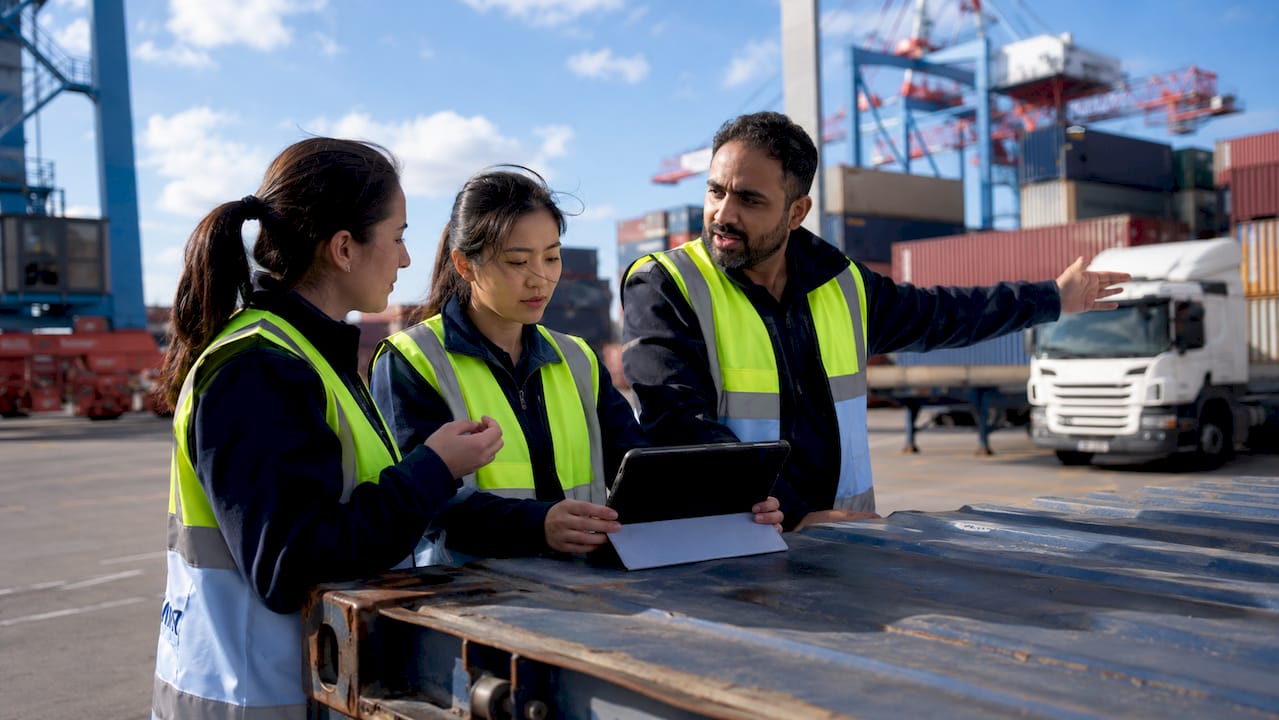
The mechanism behind this reduction is self-service visibility. When shippers and consignees can access a tracking portal or receive automated event-triggered notifications at key milestones (departure, customs clearance, estimated arrival update, proof of delivery), they no longer need to contact the carrier for status updates. Automated notifications based on API tracking events also allow customers to reschedule or reroute deliveries in real time, which reduces missed appointments and the associated costs on both sides.
The financial impact of improved delivery accuracy is quantifiable. Consider the following progression of operational benefits that tracking delivers:
- Accurate estimated times of arrival (ETAs), calculated from live GPS data rather than static schedules, allow consignees to plan labour and dock resources precisely.
- Electronic proof of delivery (ePOD), captured at the point of handover, eliminates disputes over delivery confirmation and accelerates invoice settlement.
- Optimised routing, informed by live traffic and port congestion data, reduces fuel consumption and driver hours per delivery cycle.
- Reduced failed deliveries lower per-order costs, with failed delivery costs averaging £17.20 per order when tracking and live updates are absent.
- Fewer missed appointments reduce detention costs, which in container haulage can accumulate rapidly once free time at a port terminal expires.
The cumulative effect of these gains is a logistics operation that costs less to run and generates fewer disputes with customers. For businesses managing high volumes of container movements across UK ports, the operational savings from tracking-enabled scheduling alone can offset the technology investment within a single quarter.
What role does cargo tracking play in data integration?
The importance of cargo tracking extends into the architecture of the supply chain itself, specifically the elimination of data silos that cause friction between booking, transit, customs clearance, and invoicing. Historically, each of these phases operated on separate systems, with status updates communicated via email or manual entry. The result was delays, errors, and a persistent inability to respond proactively to exceptions.
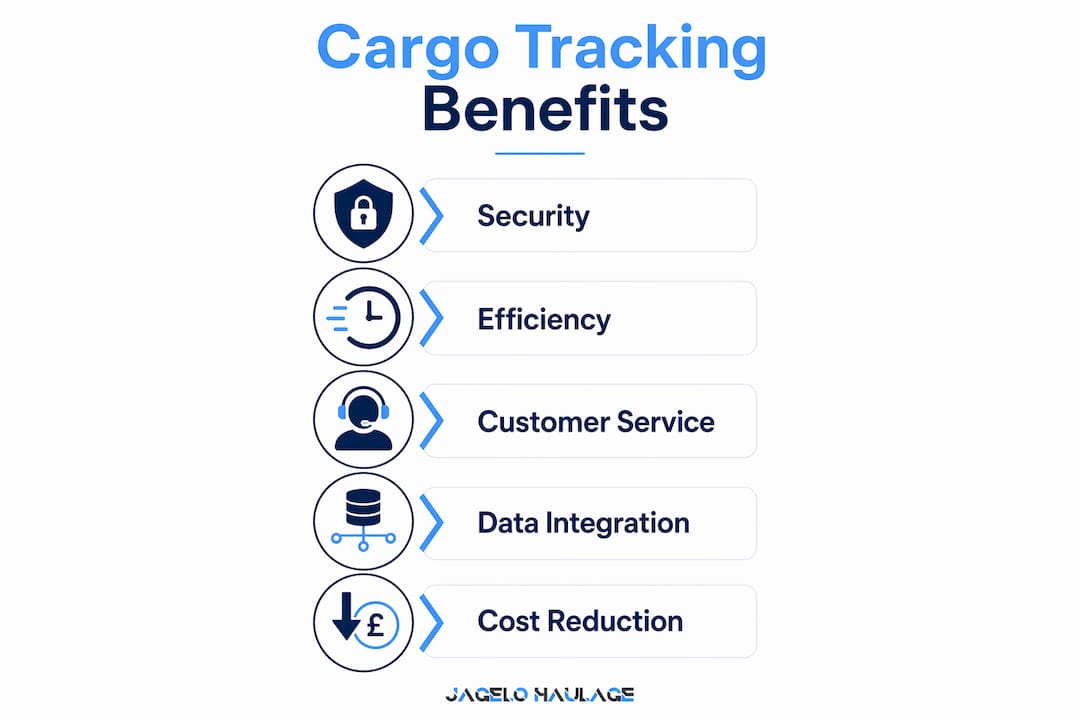
The DCSA 2026 standards roadmap directly addresses this problem by targeting seamless data exchange via interoperable APIs across all phases of the container shipping lifecycle. The roadmap replaces emailed documents and manual data re-entry with event-driven API calls that propagate status updates automatically from carrier systems to freight forwarder platforms and shipper ERPs. The practical outcome is that a vessel departure event in the carrier’s system triggers an automatic customs pre-arrival notification in the forwarder’s system, without human intervention.
The DCSA’s Track and Trace API version 3.0 further extends this capability by incorporating IoT data from refrigerated containers, including temperature and atmospheric readings during transit. This matters for pharmaceutical, food, and chemical shippers who carry compliance obligations tied to cold chain integrity.
| Tracking approach | Data exchange method | Operational outcome |
|---|---|---|
| Manual status updates | Email or phone calls | Delays, errors, no audit trail |
| Basic GPS tracking | Dashboard visibility only | Improved awareness, limited automation |
| API-integrated tracking | Event-driven, real-time data push | Automated workflows, reduced paperwork |
| DCSA-standard interoperable APIs | Cross-platform, standardised exchange | Frictionless supply chain from booking to invoice |
The table above illustrates the progression from reactive to proactive logistics management. Operators who remain at the dashboard-only stage capture only a fraction of the available benefits.
Challenges in maximising the value of cargo tracking
Tracking technology delivers its full return on investment only when the data it generates is connected to operational decision-making processes. The most common failure mode is not a lack of tracking capability but a failure to act on tracking data in time to prevent costs from accruing. Tracking unused in workflows misses the cost savings that justify the investment; the real value lies in linking tracking alerts directly to operational decisions such as container release scheduling, demurrage avoidance, and appointment rescheduling.
A specific and frequently overlooked dimension of this challenge is equipment-level tracking. Most operators track containers as a matter of course, but chassis visibility remains inconsistent across the industry. Tracking chassis availability with IoT sensors alongside container tracking prevents “blind trips” (where a driver arrives at a terminal only to find no chassis available) and eliminates unnecessary dwell time. In drayage operations serving ports like Felixstowe or Southampton, a single blind trip can cost several hundred pounds in driver time, fuel, and port access fees.
The following conditions indicate that a tracking deployment is underperforming relative to its potential:
- Tracking data is visible in a dashboard but not connected to an exception management or transport management system (TMS)
- Alerts are generated but routed to a generic inbox rather than to the specific operator responsible for the affected shipment
- Container tracking is active but chassis and trailer availability are managed through separate, unconnected systems
- Customers receive no proactive notifications and must contact the carrier for status updates
Pro Tip: Connect IoT asset data from chassis and trailers into your planning tools, not just your monitoring dashboards. Proactive logistics management requires that tracking events trigger workflow actions, not just visual alerts.
Key takeaways
Cargo tracking delivers its full value only when integrated into exception management workflows, not when treated as a passive monitoring tool.
| Point | Details |
|---|---|
| Security outcomes | Advanced tracking with automated alerts can eliminate recurring cargo theft entirely, as demonstrated by Schneider’s zero-theft result. |
| Customer service gains | Real-time visibility reduces customer enquiries by up to 40% and cuts failed delivery costs averaging £17.20 per order. |
| Data integration | DCSA’s 2026 API standards connect booking, transit, and invoicing into a single automated data flow, removing manual handoffs. |
| Equipment-level tracking | Tracking chassis alongside containers prevents blind trips and reduces dwell time in drayage operations. |
| Workflow integration | Tracking data must feed into exception management and TMS platforms to prevent demurrage and missed appointments. |
Cargo tracking as a strategic discipline, not a feature
Having worked closely with container haulage operations across UK ports for a number of years, my observation is that the logistics managers who extract the most value from tracking technology are those who treat it as a strategic discipline rather than a product feature. They do not simply purchase a GPS solution and consider the matter resolved. They redesign their exception handling workflows around the data, train their operations teams to act on alerts within defined timeframes, and hold carriers accountable to the same standards.
The customer expectation shift is also worth naming directly. Consignees who receive real-time tracking updates from one carrier will expect the same from every carrier they use. That expectation is now a baseline, not a differentiator. Operators who cannot provide it are not merely behind on technology; they are behind on the fundamental service standard their customers apply.
What I find genuinely underappreciated is the compounding effect of combining tracking investment with process redesign. The technology alone produces modest gains. The technology integrated into a TMS, connected to a customer notification platform, and linked to a demurrage avoidance workflow produces transformational ones. AI-powered anomaly detection and dynamic resource allocation are the next logical step in this progression, and the operators building those integrations now will hold a structural advantage within the next two to three years.
— Vytautas
Container haulage with real-time tracking built in
Jhaulage operates a fleet of over 40 trucks and trailers, each equipped with GPS tracking that provides continuous, real-time location data for every container movement across major UK ports including Felixstowe, Tilbury, Southampton, and Liverpool. Every shipment benefits from proactive monitoring, automated status updates, and 24/7 operational support, giving you the security and scheduling confidence that modern freight operations demand. If you are looking for a container haulage specialist that integrates tracking into every stage of the transport process, contact Jhaulage to discuss your requirements and receive a tailored solution for your supply chain.
FAQ
What is cargo tracking in shipping?
Cargo tracking is the real-time monitoring of shipments using GPS devices, ELDs, and mobile applications to provide continuous location and status updates throughout the supply chain. It enables carriers and shippers to detect exceptions, communicate proactively, and respond to delays or security events before they escalate.
How does cargo tracking reduce theft risk?
Cargo tracking reduces theft risk by generating automated alerts when a vehicle makes an unapproved stop or deviates from its planned route, compressing the response window. A Schneider case study reports zero successful load thefts after implementing this approach, compared to two to four annual losses beforehand.
Does cargo tracking lower operational costs?
Cargo tracking lowers operational costs by reducing failed deliveries, which average £17.20 per order without live updates, and by enabling accurate ETAs that reduce missed appointments and associated detention fees. Integrating tracking data into a TMS further reduces demurrage exposure by triggering proactive scheduling decisions.
What are DCSA tracking standards?
DCSA (Digital Container Shipping Association) tracking standards are interoperable API specifications that enable real-time data exchange between carriers, freight forwarders, and shippers across the full shipping lifecycle. The 2026 roadmap includes Track and Trace API version 3.0, which adds IoT data from refrigerated containers including temperature readings during transit.
Why should chassis be tracked alongside containers?
Tracking chassis availability with IoT sensors alongside containers prevents blind trips, where a driver arrives at a terminal to find no chassis available, eliminating unnecessary dwell time and associated costs. This equipment-level visibility is a frequently overlooked component of a complete tracking strategy in intermodal and drayage operations.