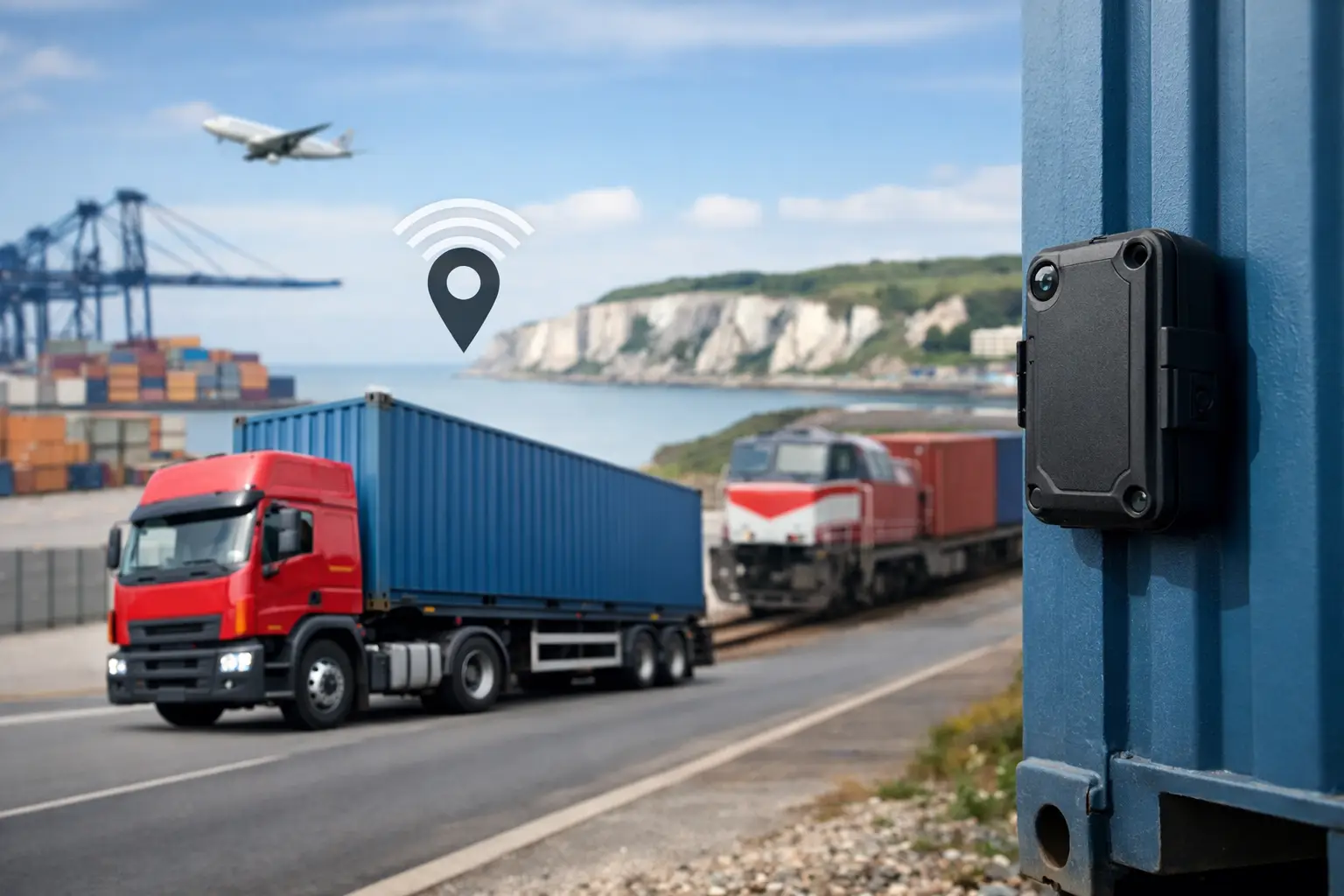
A container can clear the port on time and still become a problem an hour later. Traffic builds, delivery slots tighten, a warehouse asks for an update, and suddenly the question is simple - where is the unit, and when will it arrive? That is why tracked container transport UK services matter. For operators managing inbound stock, production schedules or retail deliveries, visibility is not a nice extra. It is part of control.
Why tracked container transport UK matters in practice
When a loaded container leaves a port, cost exposure does not disappear with it. Demurrage, detention, missed booking times, labour delays at the delivery point and disrupted downstream transport can all follow if the movement is not properly managed. Tracking helps reduce that risk because it gives the customer and the haulage provider a shared view of progress.
That visibility changes how decisions get made. If a delivery is running ahead, the site can prepare for unloading. If it is running behind, the customer can adjust labour, rebook a slot or inform their own client before the delay becomes a larger issue. Without tracking, businesses tend to rely on phone calls, estimates and assumptions. In container work, that is rarely good enough.
For freight forwarders, importers and logistics managers, the value is commercial as much as operational. A tracked move supports better planning, clearer communication and fewer surprises. It also gives confidence when the cargo is time-sensitive, high value or tied to a strict delivery sequence.
What tracking should actually give you
Not every tracked service offers the same level of usefulness. Some systems provide little more than a broad location update. Others support real operational control. The difference matters.
A useful tracked container transport UK service should show where the vehicle is, whether the job is progressing to schedule and when the delivery is likely to take place. It should also sit alongside responsive communication from the operator. Tracking on its own is not a substitute for service. If there is a port delay, a customs hold-up or a delivery-site problem, customers still need a clear update from someone who understands the movement.
This is where specialist container haulage stands apart from general transport. Port collections come with their own pressure points. Waiting times, booking systems, terminal processes, driver planning and delivery restrictions all need to be managed properly. Tracking only works when it is backed by operational discipline.
Real-time visibility helps before problems become failures
The strongest case for tracking is not that it tells you where a lorry is after something has gone wrong. It is that it gives enough visibility to act early.
If a container is held longer than expected at collection, the receiving site can be warned before staff are standing idle. If road conditions affect the route, the ETA can be adjusted. If a customer has several containers moving at once, the transport schedule can be prioritised based on what is actually happening on the road rather than what was supposed to happen on paper.
That kind of control is especially useful with supermarket supply, manufacturing inputs and short-notice warehousing requirements, where delays quickly create a chain reaction.
Where tracked transport adds the most value
Tracking is useful across most container jobs, but some movements benefit more than others.
Time-sensitive deliveries are the obvious example. If a container must reach site the same day, or within a narrow unloading window, live progress updates are essential. Refrigerated units also benefit because the cargo often has tighter handling expectations and less room for avoidable delay. The same applies to hazardous goods and oversized loads, where route planning, compliance and arrival timing need tighter coordination.
Multi-stage supply chains see a similar benefit. A delayed container does not just affect one consignee. It can disrupt booked labour, onward distribution, production lines or inventory availability. In those cases, tracking supports the wider supply chain rather than the transport leg alone.
Port collections are where visibility earns its keep
The gap between terminal release and final delivery is where uncertainty tends to build. Major UK ports such as Felixstowe, Southampton, London Gateway and Liverpool can all present timing pressure, especially during peak periods. A container may be available, but collection still depends on access, queue times, documentation and driver scheduling.
Once the unit is on the move, tracking gives the customer proof of progress and a more realistic basis for planning. That is particularly valuable for inland deliveries where sites are trying to coordinate unloading space, forklift availability or security access.
What to ask a haulier before booking
If tracked transport is a requirement, it is worth asking direct questions rather than assuming every provider works the same way.
Start with the basics. Ask whether tracking is live, how updates are shared and who communicates if there is an issue. Then ask how the business handles exceptions. A well-run operator should be able to explain how it manages delays at port, failed delivery attempts, out-of-hours collections and urgent same-day requirements.
Fleet capability matters too. Container haulage is not only about moving standard 20ft and 40ft boxes. Some customers need 45ft container support, refrigerated handling, hazardous goods compliance or oversized load planning. Tracking is valuable, but it does not replace the need for the right equipment, experienced drivers and proper scheduling.
It is also sensible to ask about insurance, secure movement procedures and nationwide reach. A provider with broad port coverage and a modern fleet is better placed to recover when plans change at short notice.
The trade-off: tracking does not fix poor haulage
There is a point worth making plainly. Tracking is useful, but it does not rescue a weak operation.
A poorly planned movement with inadequate communication is still a poorly planned movement, even if you can see the vehicle on a screen. The real value comes when tracking is part of a disciplined service model - booked correctly, monitored properly and backed by people who can respond quickly when conditions change.
That is why businesses should treat tracked container transport as one part of service quality, not the whole measure of it. The haulier still needs the right fleet, proper container experience, compliant drivers and the ability to deal with port and delivery-site realities without unnecessary delay.
Why responsiveness matters as much as visibility
Most logistics managers do not want constant updates for the sake of it. They want accurate information when it affects a decision. That is where responsiveness matters.
A good operator does not wait for the customer to chase. If a collection is delayed, they say so. If delivery timing changes, they provide a revised ETA. If a same-day movement is still possible despite earlier disruption, they act on it quickly. That kind of communication saves time because the customer is working with facts rather than uncertainty.
For many businesses, that is the real advantage of tracked container transport UK support. It reduces noise while improving control. Instead of repeated calls asking where the unit is, the customer gets a clear picture of the move and can focus on the next operational decision.
Choosing tracked container transport UK for commercial reliability
The best tracked services are built around a straightforward promise - the container is collected when it should be, moved securely, monitored properly and delivered with clear communication throughout. That sounds basic, but in port logistics it is what protects schedules and margins.
For businesses moving containers regularly, the right partner should make the day easier, not more complicated. That means dependable collection from major UK ports, support for standard and specialist container types, insured movement, and updates that are useful rather than vague. It also means having access to a team that can respond when a job turns urgent or a delivery window starts to close.
Jagelo Haulage operates on that basis because container customers do not need guesswork. They need a provider that understands the pressure around port timings, secure delivery and real-time visibility, and can keep freight moving without fuss.
If tracked transport is on your checklist, treat it as a sign of operational maturity, not a gadget. The right service gives you time to act, confidence to plan and fewer expensive surprises once the container leaves the port.