More on refrigerated containers from Jagelo Haulage
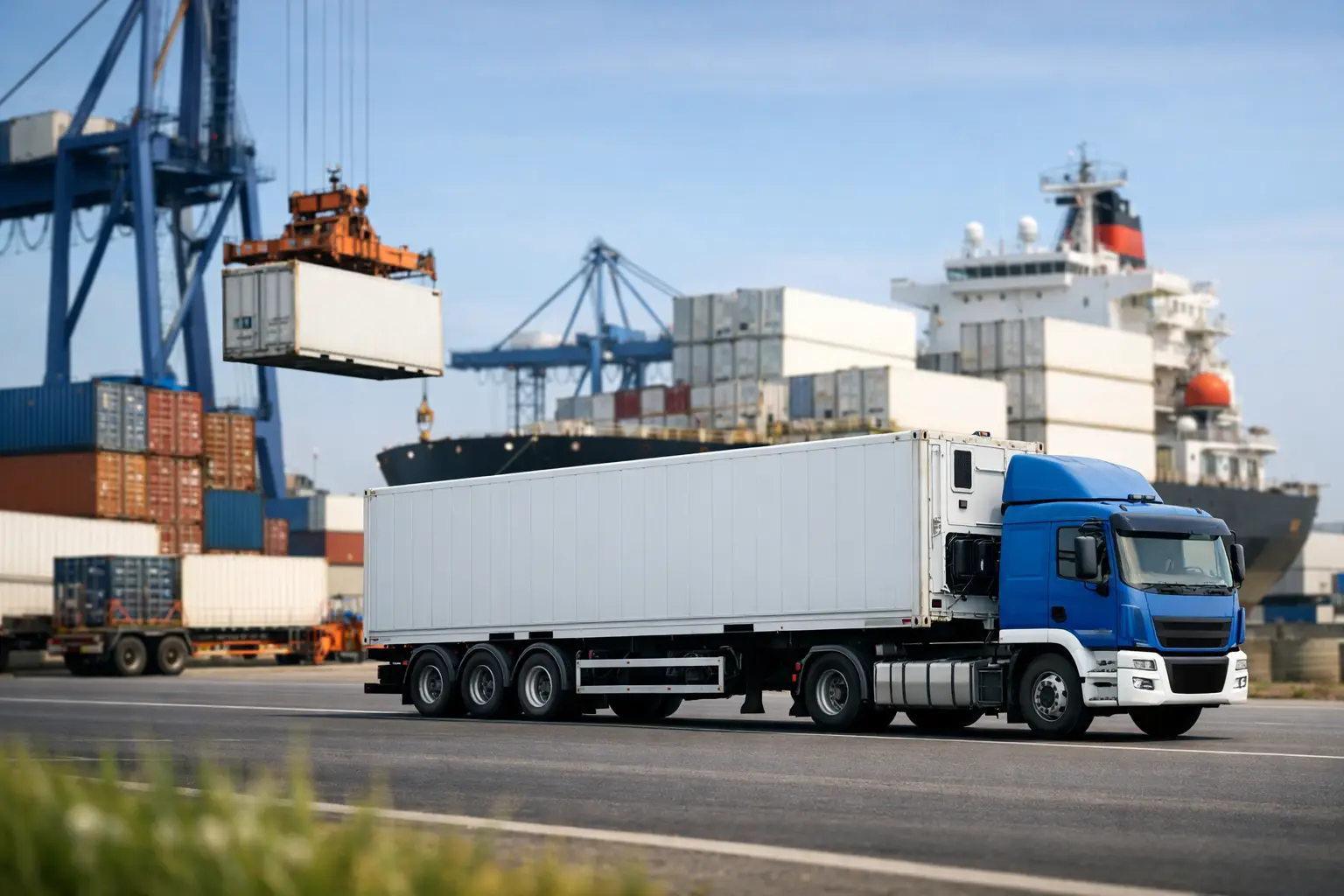
A reefer left sitting at the port for a few extra hours is not a minor delay. It can mean rejected stock, broken delivery windows and avoidable cost across the supply chain. That is why refrigerated container haulage UK is less about moving a box from A to B and more about controlling time, temperature risk and communication from collection to final delivery.
For importers, freight forwarders and logistics teams, the pressure is straightforward. The container must be collected on time, moved securely and delivered without creating exposure around product quality, detention, demurrage or site disruption. General haulage is not enough when the load is temperature-sensitive. Reefer movements need tighter planning, sharper execution and a haulier that understands what can go wrong if the details are missed.
What makes refrigerated container haulage different
A refrigerated container is still an ISO container, but operationally it behaves differently. The cargo inside may have a narrow tolerance for delay, and the movement often sits within a larger timed chain involving port release, warehousing capacity, customer booking slots and onward distribution.
That changes the haulage requirement. The priority is not simply vehicle availability. It is whether the haulier can collect promptly, monitor the movement properly, handle the container type confidently and keep the customer informed if timings shift. A late standard container may be inconvenient. A late reefer can quickly become expensive.
There is also the practical issue of handover points. Some delivery sites are well set up for container receipt. Others have tighter access, limited unloading windows or restricted waiting time. On reefer work, those constraints matter more because the margin for delay is smaller. Planning has to account for road time, site readiness and any booking conditions before the container leaves the port.
Refrigerated container haulage UK and the cost of delay
When businesses assess refrigerated container haulage UK, price is usually part of the conversation, but it is rarely the deciding factor on its own. The real commercial question is what a delay will cost if the movement is not properly managed.
That cost can show up in several places at once. There may be detention and demurrage charges if collection slips. There may be labour disruption at the delivery point if warehouse teams are stood waiting. There may also be product risk, especially for food, pharmaceuticals or temperature-controlled retail stock where shelf life and compliance are non-negotiable.
This is why reliable communication matters as much as the vehicle itself. If there is a hold-up at the port, a traffic issue on route or a problem at the delivery site, the customer needs quick information they can act on. Silence is what turns a manageable delay into a wider operational problem.
The key operational checks before booking a reefer movement
A good refrigerated movement usually starts with good information. If the booking is vague, the haulage becomes reactive, and that is where avoidable problems start.
The first check is the container specification. Whether the unit is 20ft, 40ft or 45ft affects vehicle planning and site suitability. The next is timing - not just the collection date, but the actual window for release, available delivery slot and any restrictions at the receiving site. Then there is cargo sensitivity. Even where the container is handling the temperature control itself, the movement still needs to be treated as time-critical.
Access is another area where assumptions cause trouble. If the delivery point has narrow approach roads, limited turning space or strict booking controls, that needs flagging early. The same applies if there are security requirements, waiting time limits or special unloading arrangements. A reefer movement runs better when the haulier has the full picture before the job is committed.
Port collections need speed, not guesswork
Most of the avoidable cost in container logistics starts at the port. Release timing, collection slots, traffic conditions and documentation all affect how quickly a reefer can be lifted and moved inland.
For that reason, port collections need a disciplined process rather than a best-effort approach. The operator should know the collection point, container status and any time pressure before the lorry is dispatched. Real-time visibility helps, but experience matters too. Knowing how to move quickly through major UK port workflows without creating compliance issues is part of what separates specialist container haulage from general transport.
This is especially relevant on high-volume routes through Felixstowe, Southampton, London Gateway and Liverpool, where timing can change quickly and port-side delays can ripple through the rest of the day. A haulier that responds quickly and keeps the customer updated gives the importer or forwarder a far better chance of protecting the delivery schedule.
Why tracking and communication matter on reefer loads
With refrigerated work, updates are not a courtesy. They are part of risk control.
A logistics manager waiting on temperature-sensitive stock needs to know when the container has been collected, whether it is moving on schedule and when it is expected on site. If something changes, early notice gives the receiving team time to adjust labour, reschedule unloading or notify the next stage in the chain.
Tracking matters because it reduces uncertainty. Communication matters because tracking alone does not explain the problem or the solution. The best service combines both - clear status visibility and a responsive traffic team that can answer questions quickly and make practical decisions when conditions change.
Choosing a haulier for refrigerated container haulage UK
Not every haulier is set up for refrigerated container haulage UK, even if they move containers generally. Reefer work demands operational discipline, suitable fleet capacity and confidence with time-sensitive collections and deliveries.
A sensible buyer will look at a few basics. Can the haulier cover the right ports consistently? Do they regularly handle 20ft, 40ft and 45ft ISO containers? Can they support urgent jobs when schedules tighten? Are movements tracked and insured? Do they communicate clearly when there is a problem, rather than after the fact?
It also helps to assess how they speak about the work. If the conversation stays at a general level, that can be a warning sign. A specialist operator should be comfortable discussing access limits, collection pressure, delivery windows, compliance requirements and contingency planning. Reefer movements are rarely complicated for the sake of it, but they do punish vague planning.
Where same-day support makes a difference
In refrigerated logistics, urgency is not always poor planning. Sometimes release times move, customer slots open unexpectedly or upstream delays compress the whole job into a much smaller window.
That is where same-day support becomes valuable. If a container needs collecting quickly to avoid charges or protect a booked delivery, the haulier must be able to respond without creating more uncertainty. Capacity matters here, but so does traffic control. Having available vehicles is only useful if the operator can deploy them sensibly and keep the customer informed throughout the move.
For businesses working with temperature-sensitive stock, that flexibility can protect more than one shipment. It can help preserve warehouse planning, onward distribution and customer service commitments that depend on the container arriving when expected.
Reliability is built before the wheels turn
The strongest refrigerated moves usually look uneventful from the outside. The collection is booked properly, the lorry arrives when expected, the container is delivered safely and the customer is kept informed. That only happens when the planning is right from the start.
A dependable haulage partner will ask the practical questions early, confirm the details clearly and manage the movement with the same urgency the customer feels. That is the standard businesses should expect from refrigerated container work, not an added extra. Jagelo Haulage operates on that basis because time-sensitive container freight leaves little room for guesswork.
If your cargo depends on temperature control, the haulage decision is not just about transport. It is about protecting the value of the load, keeping the schedule intact and working with an operator that treats delay as a risk to be managed, not a routine excuse.